


Carson City, NV, On Tuesday, February 10, 2026, Nevada hosted meaningful events and developments that resonated with both community pride and long‑term state planning, offering residents and observers alike insights into civic engagement and public infrastructure priorities shaping the Silver State’s future.
Flag Sojourn 250 Comes to Carson City
Nevada’s capital city served as a key stop on the Flag Sojourn 250 nationwide tour, a symbolic tribute celebrating the upcoming 250th anniversary of the United States’ founding. This initiative honors the American flag’s role as a unifying emblem of the nation’s history, values, and sacrifices, with the flag itself having been carried to every U.S. state, territory, and even overseas military cemeteries before returning to American soil for its domestic journey.
On February 10, a ceremonial flag‑raising took place in front of the Carson City Sheriff’s Office, where community members, local leaders, and officials gathered to witness the event and reflect on the flag’s significance. The ceremony featured a giant American flag presented by the Carson City Fire Department and was conducted with military and cadet honors, including participation by NJROTC color guards and remarks from local officials such as Carson City Sheriff Ken Furlong and Nevada Brigadier General D. Rodger “Dan” Waters.
The Flag Sojourn 250 initiative is part of a broader national campaign organized by the National Flag Foundation in partnership with America250’s America Waves program, the National Sheriffs’ Association, and other organizations. This ongoing tribute travels across the country to foster unity, honor service and sacrifice, and celebrate the flag’s enduring symbolism ahead of America’s semiquincentennial celebrations later this year.
Nevada Awards Major Funding for Attainable Housing
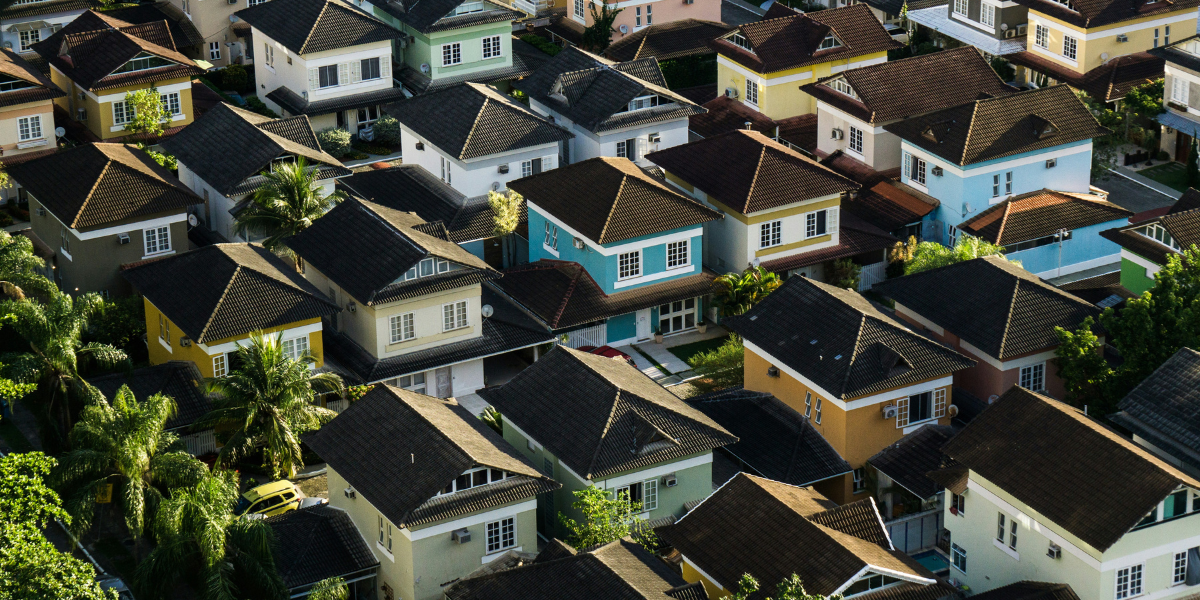
In another significant development affecting communities throughout Nevada, the Nevada Attainable Housing Council announced the approval of more than $64 million in funding aimed at expanding attainable housing opportunities across the state.
This funding comes from the Nevada Attainable Housing Account, a key component of the Nevada Housing Access and Attainability Act (AB 540), designed to address persistent housing affordability challenges faced by low‑ and moderate‑income residents. With rising costs of homes and rentals in much of Nevada, this initiative seeks to spur the creation of housing that is within reach for local workers, families, and individuals striving for stable living arrangements.
The approved $64 million is earmarked to support the development of a broad mix of housing types, including 358 for‑sale homes and 1,208 multi‑family rental apartments across both Northern and Southern Nevada regions. Additional investments will go toward homeownership opportunities and matching funds for local governments that facilitate housing projects. This allocation reflects a statewide effort to diversify the housing stock and alleviate barriers that have limited attainable housing availability, especially in high‑growth areas like Las Vegas, Henderson, Reno, and rural communities. This funding represents a tangible step toward making housing more attainable for working Nevadans, noting that the initiative aims not only to increase housing supply but also to enable more families to achieve homeownership.
Broader Community Impact
Both events on February 10 underscored different facets of community life in Nevada, from honoring national heritage and public service to addressing contemporary social needs such as housing affordability. The Flag Sojourn 250 visit served as a community‑centered moment of recognition and reflection, linking Nevada to national observances around the U.S. semiquincentennial. Meanwhile, the housing funding announcement points to concrete policy action aimed at facilitating long‑term economic stability for residents across demographic and geographic lines.
For Nevada residents, these developments, symbolic and substantive, illustrate how civic engagement and public policy can intersect to shape community identity, drive progress, and address the diverse needs of the state’s growing population.