


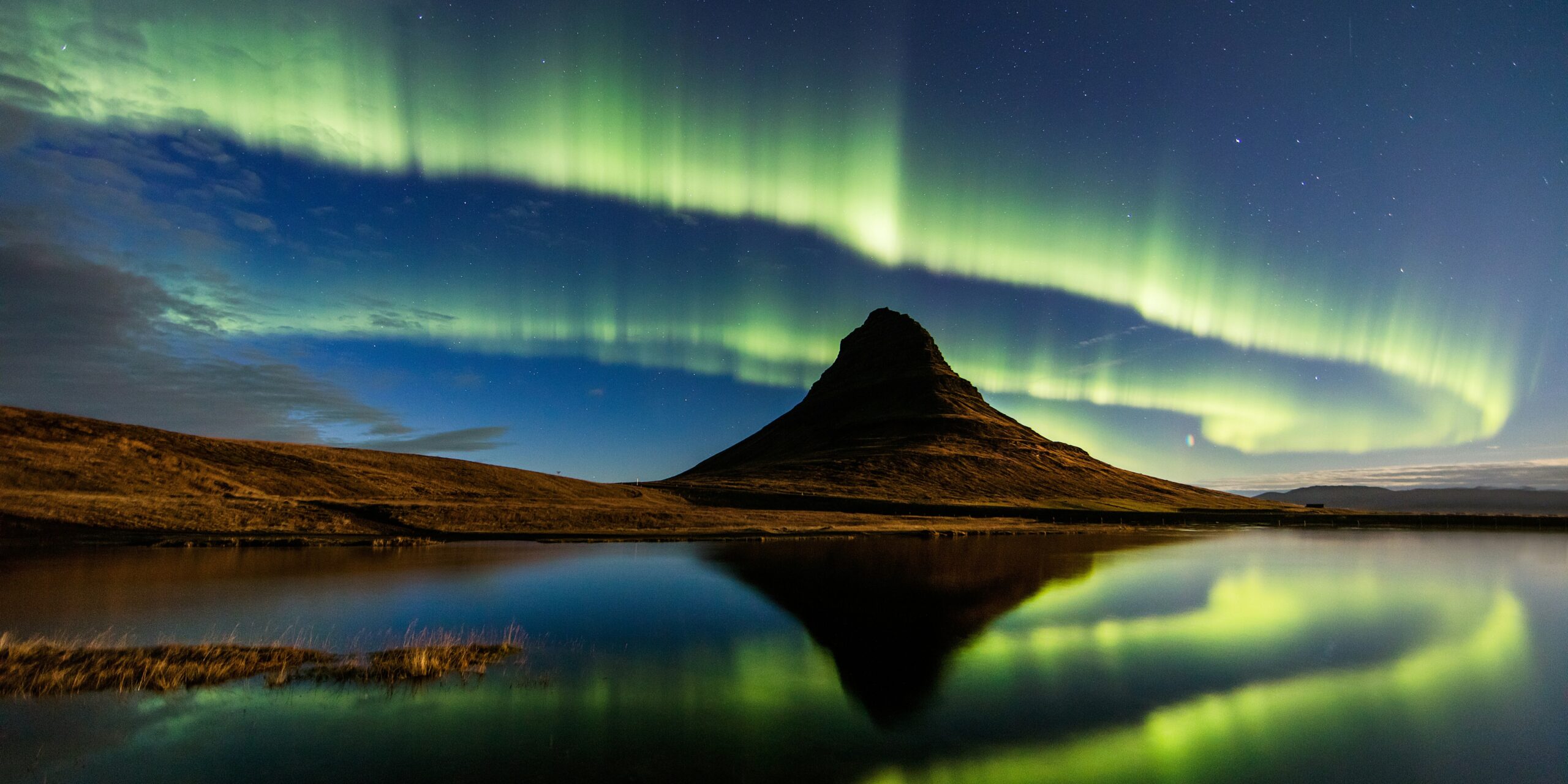
On January 27, 2026, stargazers across parts of the United States were excited by the prospect of seeing the aurora borealis, thanks to an incoming minor geomagnetic storm. The National Oceanic and Atmospheric Administration (NOAA) issued a forecast indicating an increase in geomagnetic activity late Tuesday into early Wednesday, which could make the northern lights visible as far south as parts of the northern U.S. This rare celestial event prompted widespread anticipation, especially in regions that do not frequently witness the aurora borealis.
The aurora, often associated with the polar regions, occurs when charged particles from the sun interact with Earth’s magnetic field, producing vibrant displays of colored light in the sky. In this case, NOAA’s forecasted geomagnetic storm is expected to produce subtle aurora displays, which would be most visible in areas near the Canadian border. States such as Minnesota, Michigan, and Montana were highlighted as prime locations for viewing the northern lights.
Conditions for the best viewing of the aurora borealis depend heavily on clear skies and a favorable magnetic orientation. Stargazers were advised to watch for the aurora after dark, when the sky is darkest, and to check real-time NOAA space weather updates for the most accurate forecasts. Given that geomagnetic storms are somewhat unpredictable, those looking to catch a glimpse of the lights were encouraged to stay alert to local weather conditions and be prepared to head to the best vantage points when the storm’s effects were at their peak.
The excitement surrounding this event reflects the growing public interest in the aurora borealis, which, though more commonly observed in northern latitudes like Alaska and parts of Canada, is occasionally visible further south during times of increased solar activity. For those in the northern U.S., this minor geomagnetic storm offers a special opportunity to witness one of nature’s most stunning displays without having to venture to the farthest reaches of the globe.