


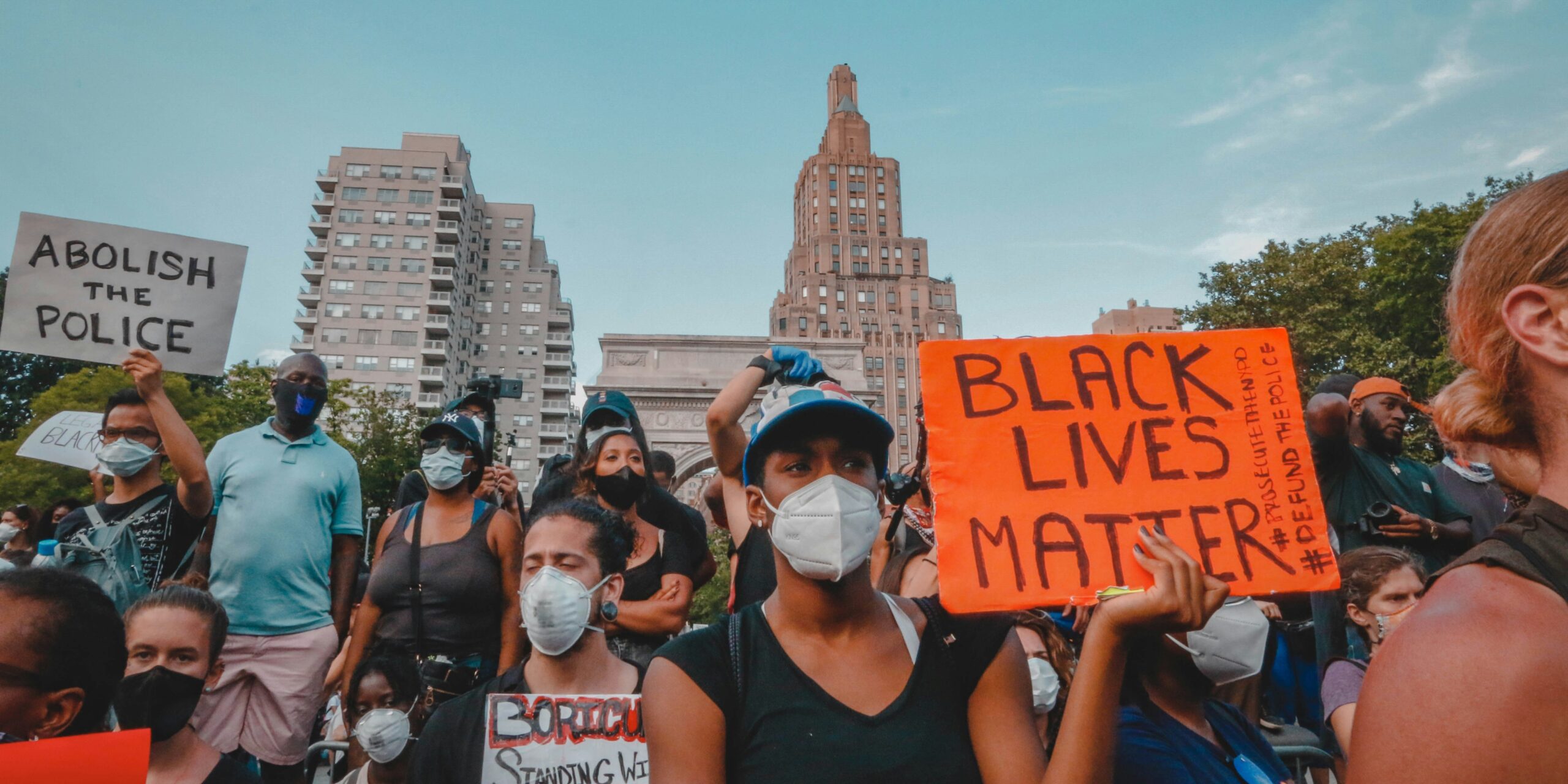
As communities across the United States prepared for Martin Luther King Jr. Day on January 15, 2026, cities and neighborhoods marked the weekend with a variety of cultural and remembrance activities that celebrated the enduring legacy of the civil rights leader. In the Dallas-Fort Worth metroplex, local organizations hosted a rich tapestry of events, showcasing the region’s commitment to honoring King’s life and his work toward equality and justice. From poetry readings and step shows to mural projects and jazz performances, the celebrations reflected a vibrant and diverse interpretation of King’s impact on both the past and present.
The events aimed to not only remember King’s monumental contributions but to also inspire continued action and dialogue around the ongoing fight for civil rights. Many performances focused on storytelling and art as vehicles for social change, with artists and performers interpreting King’s principles through contemporary mediums. These events were designed to engage the community on a deeper level, encouraging participants to reflect on King’s teachings while also fostering an environment where creativity, culture, and activism intersect.
In addition to artistic expressions, the weekend also featured more traditional observances, including parades and community service projects. These activities brought residents together in a shared spirit of civic unity, with people of all ages and backgrounds coming together to honor King’s message. The parades, often led by community groups and local leaders, served as a powerful reminder of the progress made since King’s time, while also highlighting the work that remains in the pursuit of true equality for all.
These events in the Dallas-Fort Worth area are part of a larger, growing trend across the country to observe Martin Luther King Jr. Day not only as a time for reflection but as an opportunity for active cultural celebration. In recent years, many cities have incorporated service projects, educational forums, and performances to encourage citizens to engage in meaningful ways with the ongoing struggle for social justice. By expanding the scope of how King’s legacy is honored, these activities serve to inspire future generations to continue advocating for change and social equity.
Overall, the events in Dallas-Fort Worth demonstrated a collective commitment to ensuring that Martin Luther King Jr.’s life and work remain a guiding force in American society. As citizens reflect on his contributions, they are also reminded of the need to carry forward his work in the face of continued challenges, reaffirming the idea that King’s dream of equality and justice is still a vision worth striving toward today. These celebrations offer a reminder that the fight for civil rights is ongoing, and through cultural engagement, civic participation, and education, communities continue to push forward in honor of his enduring legacy.