


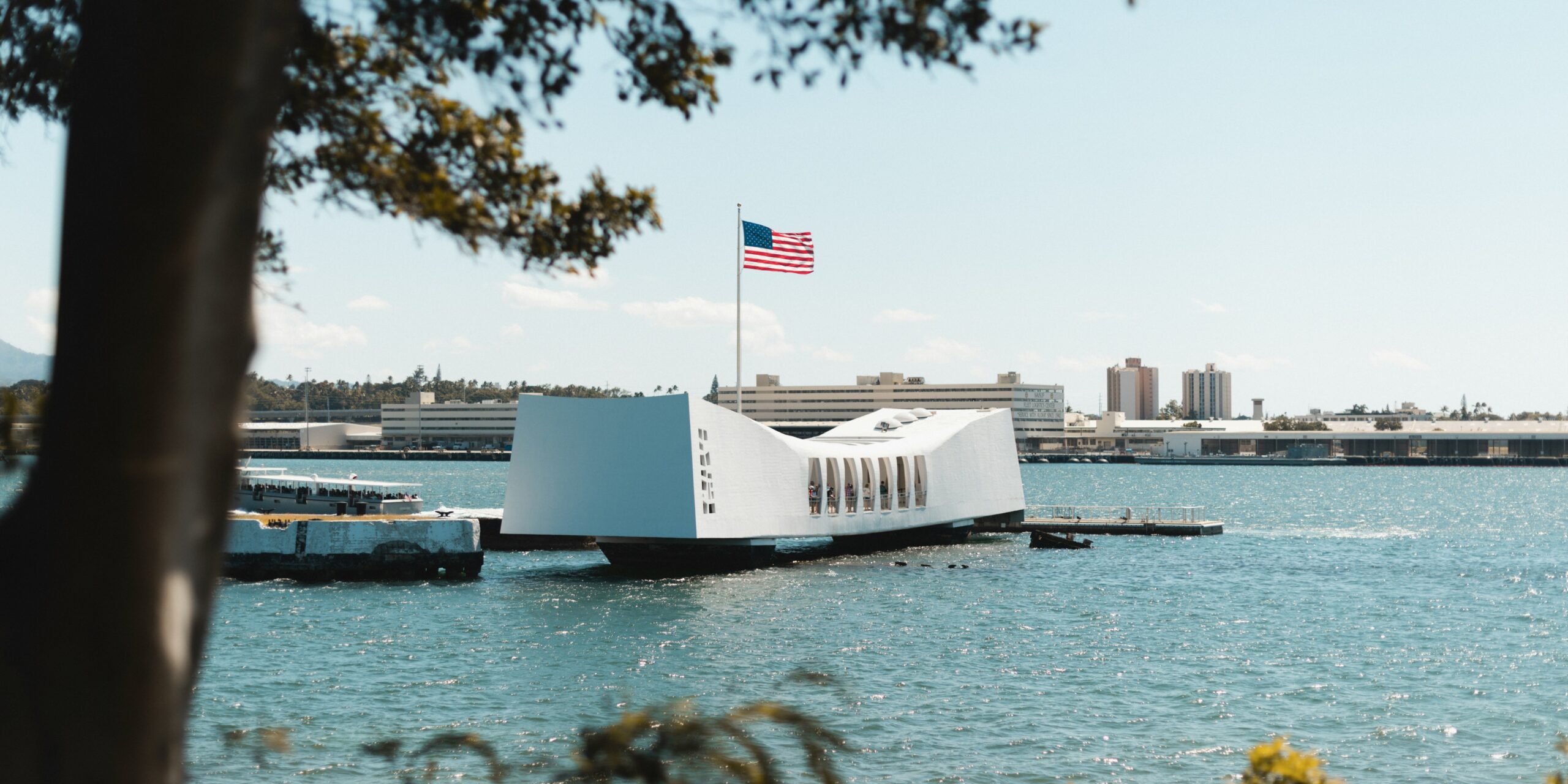
Americans nationwide came together to observe Pearl Harbor Remembrance Day, marking the 84th anniversary of the infamous attack on Pearl Harbor in 1941. This day serves as a solemn reminder of the lives lost and the profound impact the attack had on the United States, not only during World War II but also in shaping the nation’s future. On that day in 1941, 2,403 Americans tragically lost their lives when the Japanese military launched a surprise strike on the U.S. naval base in Hawaii, a moment that led to the United States’ formal entry into World War II.
Across the country, a variety of ceremonies and memorial services took place to honor those who perished in the attack. One of the most significant events occurred at the USS Arizona Memorial in Hawaii, a site that holds deep symbolic importance as the final resting place for many of the sailors and soldiers who died that day. Veterans, military personnel, families of the fallen, and citizens gathered at this historic location to reflect on the day’s events, express gratitude for the sacrifices made, and ensure that the memory of those who died is passed on to future generations. The ceremony included moments of silence, the playing of taps, the laying of wreaths, and speeches that highlighted the bravery and patriotism displayed during that tragic chapter in U.S. history.
Though Pearl Harbor Remembrance Day is not a federal public holiday, meaning that government offices, schools, and businesses remain open, it holds profound ceremonial significance across the nation. The observance is marked by a deep sense of respect and reflection, with flags flown at half-staff to honor the fallen and to acknowledge the historical importance of the event. Community programs, educational activities, and services were held across the United States, particularly in military institutions, schools, and civic organizations, helping to educate the public, especially younger generations, about the events of December 7, 1941, and their lasting impact on American history.
In schools, students engaged in discussions about Pearl Harbor and its role in shaping the course of World War II, while military installations across the country hosted special events to commemorate the sacrifices of those who served. Many communities also held programs that included veterans sharing their stories and personal experiences related to the war, giving attendees a chance to hear firsthand accounts of the emotional and physical toll the attack had on the country.
For those who lived through the attack and the subsequent years of war, Pearl Harbor Remembrance Day remains an essential occasion to reflect on the pain and loss of that fateful day, as well as the resilience and unity that followed. It also serves as a reminder of the importance of peace and the need to prevent such events from ever happening again. As the years pass, the commemoration of Pearl Harbor helps ensure that the sacrifices made by those in the military, as well as the civilians affected by the war, are never forgotten.
Pearl Harbor Remembrance Day continues to hold a deeply significant place in the hearts of Americans, uniting the country each year in reflection and honor for the lives lost, the heroism demonstrated, and the enduring legacy of that pivotal moment in history. It’s a day to remember not only the tragic loss but also the spirit of unity and patriotism that followed, reminding everyone of the importance of remembering the past to guide the future.