


Date: July 2024
Location: Pamplona, Spain
The San Fermín Festival, held annually in July in the vibrant city of Pamplona, Spain, is one of the world’s most famous and thrilling cultural events. In 2024, the festival once again captivated participants and spectators from across the globe with the exhilarating and adrenaline-fueled Running of the Bulls, a centuries-old tradition that has come to define Pamplona’s cultural identity. As always, this dynamic celebration was an eclectic blend of tradition, festivity, and unbridled excitement, attracting tens of thousands of visitors eager to experience the spectacle firsthand.
The Running of the Bulls: The Heart of the Festival
At the heart of the San Fermín Festival lies the Running of the Bulls, an event that has become synonymous with Pamplona. Every morning of the festival, brave individuals—known as mozos—gather in the narrow streets of the city to run alongside a group of bulls as they are herded through the winding paths toward the bullring. The event is a thrilling race of both skill and courage, as participants aim to stay ahead of the bulls while dodging and weaving through the crowds. It’s an adrenaline-charged experience, with the sound of pounding hooves and the rush of excitement in the air.
While the event is undeniably dangerous, it has become a hallmark of the San Fermín Festival and a massive draw for thrill-seekers. The 2024 edition of the run attracted participants from all corners of the globe, many of whom view the experience as a bucket-list event, where they can test their nerves in front of the imposing bulls. Despite the risks, the runs are generally well-organized, with trained professionals ensuring the safety of the bulls and the runners. Each year, however, the festival sees a handful of injuries, a reminder of the event’s inherent danger.
The excitement surrounding the Running of the Bulls is complemented by a sense of camaraderie and shared tradition. The crowd of participants and spectators alike is united by a common goal: to experience and celebrate this historic ritual, which has been an integral part of Pamplona’s identity for over a century.
Cultural Festivities: Music, Parades, and Tradition
While the Running of the Bulls is the centerpiece of the festival, San Fermín is much more than just a high-octane spectacle. The festival is a week-long celebration of Spanish culture, with music, parades, dancing, and vibrant street festivities filling the city. Throughout the week, Pamplona comes alive with events that celebrate the city’s deep-rooted traditions.
One of the most iconic aspects of the San Fermín Festival is the Chupinazo, the opening ceremony, where revelers gather in the city square to launch fireworks and throw red and white confetti into the air. This marks the beginning of the festival and sets the tone for the days of revelry that follow.
As the bulls run through the streets each day, the sound of traditional Spanish music fills the air, with marching bands and groups of dancers performing in the streets. The city’s main square becomes a hub of activity, with folk dances and celebrations that bring together both locals and visitors in joyous harmony. The festive atmosphere permeates every corner of Pamplona, making it a vibrant and exhilarating place to be.
Parades, featuring locals dressed in traditional white outfits with red scarves and sashes, wind through the streets, celebrating Pamplona’s rich history and Spanish cultural heritage. The parades are an essential part of the festival, offering visitors a chance to immerse themselves in the authentic traditions of the region.
Controversy and Modern Debates
Though the San Fermín Festival has become a symbol of Spanish culture, it remains controversial due to its connection to bullfighting and the Running of the Bulls. Animal rights activists and environmental groups have long criticized the event, arguing that it promotes cruelty to animals and encourages reckless behavior among participants. As the world continues to evolve, the ethical implications of such events are increasingly being scrutinized.
In recent years, the festival has sparked a broader debate about the relationship between tradition and modernity, with growing calls for the event to evolve or even be abolished. Despite these protests, the San Fermín Festival remains an important cultural institution, with millions of tourists and participants continuing to flock to Pamplona each year. For many, the excitement and history of the event outweigh the controversy, making it a central part of Spain’s cultural tourism.
A Celebration of Community and Gastronomy
Beyond the thrill of the bull runs, the San Fermín Festival is also a celebration of local customs, gastronomy, and community spirit. The streets of Pamplona are lined with food stalls offering delicious traditional Spanish fare, from tapas to churros, paella, and the famous Pochas de Navarra. Local wines and beers flow freely, and visitors are encouraged to sample the region’s culinary delights.
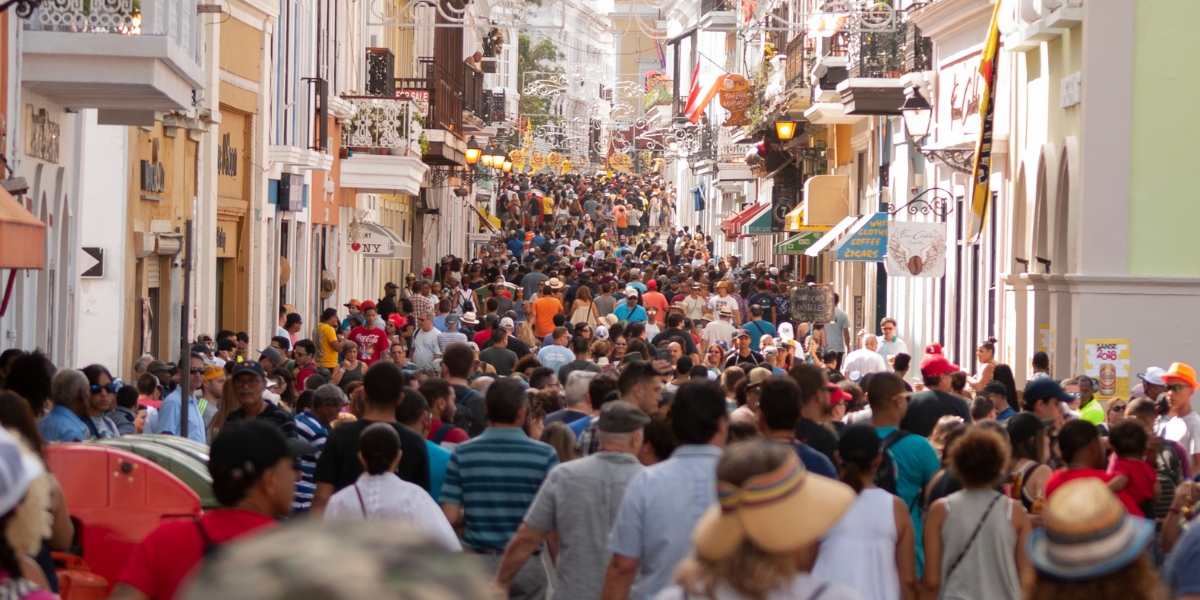
The festival also brings the city together in a sense of unity. Locals and tourists alike share in the communal atmosphere, creating bonds through the shared experience of participating in the festivities. Whether they’re cheering on the runners or enjoying the festivities in the town square, the sense of community is palpable throughout the event.
A Timeless Tradition: The San Fermín Legacy
The San Fermín Festival, with its exhilarating blend of adrenaline, history, and cultural celebration, continues to draw people to Pamplona every year. While the controversy surrounding the event remains, it is clear that the festival remains an integral part of Spain’s cultural fabric. The 2024 edition once again showcased the spirit of the festival: a celebration of life, tradition, and community, bringing people from all over the world together in the heart of Pamplona.
For many, participating in the Running of the Bulls is a once-in-a-lifetime experience, a thrilling and unforgettable adventure that offers a direct connection to Spain’s rich cultural heritage. As the festival continues to evolve and adapt to the changing world, its timeless traditions and sense of community will undoubtedly keep it at the forefront of global cultural celebrations for years to come.