


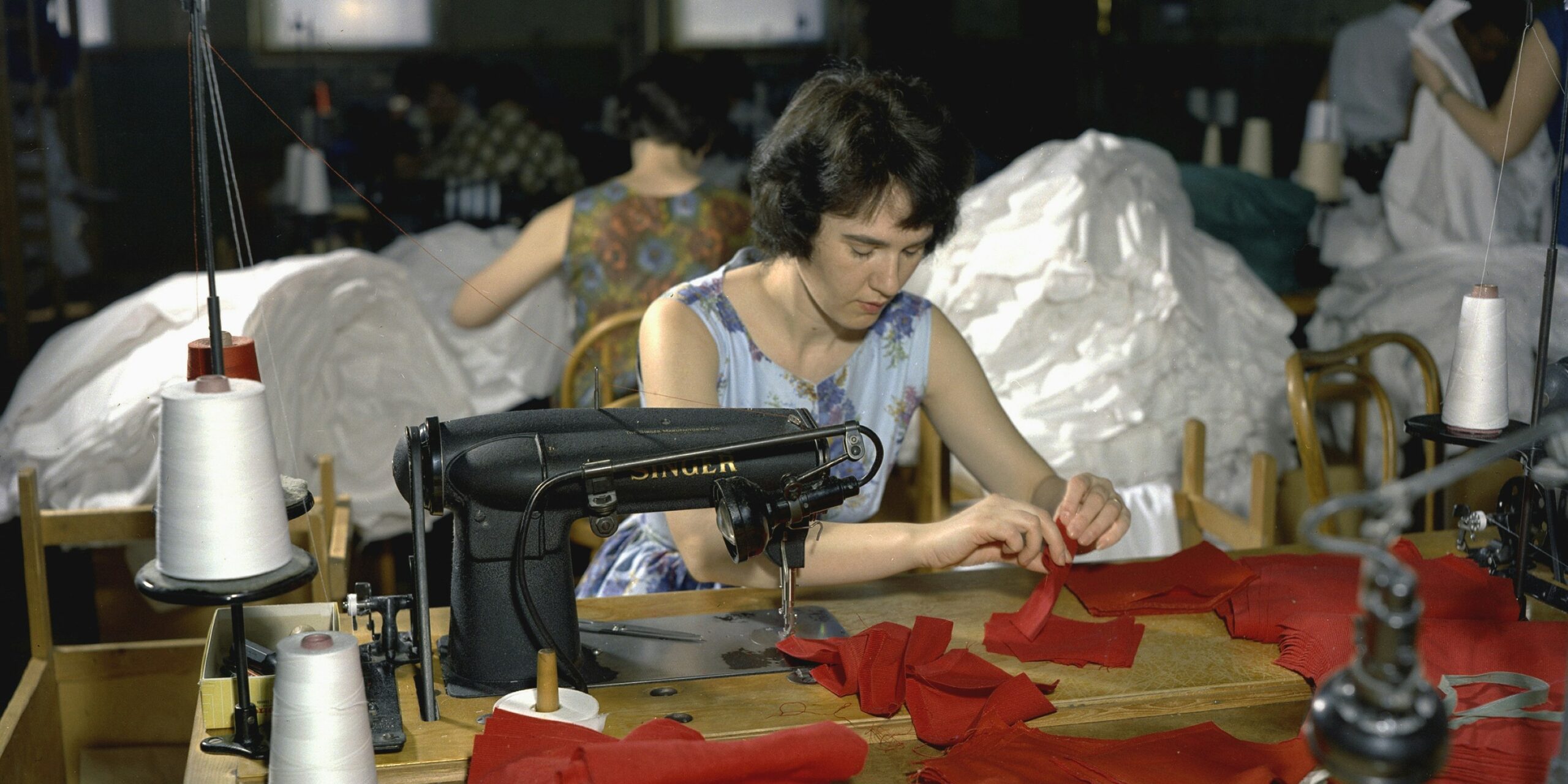
In late November 2025, the U.S. manufacturing sector continued its prolonged downturn, marking the ninth consecutive month of contraction. According to the latest data from the Institute for Supply Management (ISM), the manufacturing Purchasing Managers’ Index (PMI) dropped to 48.2. This figure is well below the crucial 50-point threshold that typically indicates growth. The persistent weakness in the manufacturing sector is being driven by a combination of factors that are undermining production across several industries.
One of the primary challenges is weak demand for manufactured goods. With consumer spending showing signs of slowing and global economic uncertainty continuing to weigh on business confidence, manufacturers are finding it difficult to secure the orders needed to sustain their production lines. This lack of demand is compounded by rising input costs, which have increased the overall cost of production. Raw materials, energy, and labor costs have all risen sharply in recent months, putting additional strain on manufacturers who are already struggling with tight margins.
Another significant factor contributing to the contraction is the ongoing uncertainty surrounding tariffs and trade policies. The U.S. manufacturing sector is particularly vulnerable to global supply chain disruptions, and the lack of clarity around tariffs, especially on imports from China and other key trading partners, has made it difficult for companies to plan for the future. This uncertainty has led to delays in investment decisions, with some companies postponing or canceling expansion plans. Moreover, the confusion around trade regulations and potential tariff hikes has discouraged some manufacturers from committing to large-scale orders or long-term contracts.
Certain sectors have been particularly affected by these challenges. Transportation equipment and wood products, for instance, have seen sharp declines in production. These industries are integral to the broader manufacturing ecosystem, and their struggles highlight the depth of the sector’s ongoing troubles. Transportation equipment manufacturers, which rely heavily on global supply chains, have been hit by both weak domestic demand and disruptions in international trade. Similarly, the wood products sector has faced difficulties with rising material costs and decreased demand for construction-related products. Despite these challenges, a few narrower industries, such as machinery and electronics manufacturing, reported modest growth during the period, providing a slight counterbalance to the broader downturn.
As the manufacturing sector continues to contract, many companies are beginning to take drastic measures to adapt to the changing economic environment. Some manufacturers have already started reducing their workforce or freezing hiring in response to the weakening demand for their products. Others are shifting production offshore to take advantage of lower labor costs and more favorable business conditions in other countries. This shift in production strategies could have long-term implications for the U.S. labor market, particularly in manufacturing-heavy regions that depend on these jobs for economic stability.
The broader economic impact of the ongoing contraction in the manufacturing sector is a growing concern. Analysts and economists warn that the difficulties in manufacturing could have ripple effects throughout the U.S. economy. As manufacturers struggle to maintain profitability, many are passing on their higher production costs to consumers, which could lead to higher prices for everyday goods. This inflationary pressure is particularly concerning as consumers are already grappling with rising costs in other areas, such as housing and healthcare.
Moreover, the continued weakness in the manufacturing sector could influence monetary policy decisions. With inflationary pressures continuing to build, the Federal Reserve may find it challenging to balance the need to keep inflation in check while also supporting economic growth. The Fed may be forced to adjust its approach to interest rates and other economic measures in response to the prolonged struggles in manufacturing. A slowdown in the manufacturing sector could also affect job growth, as many regions in the U.S. rely heavily on manufacturing employment.
As 2025 comes to a close, the outlook for the U.S. manufacturing sector remains uncertain. While certain industries may see a modest recovery, the broader trend of contraction raises concerns about the sector’s ability to rebound in the near future. The combination of weak demand, rising input costs, and trade policy uncertainty is creating a challenging environment for manufacturers, and unless these issues are addressed, the sector may continue to face difficulties in the months ahead. For policymakers and business leaders, the message is clear: continued vigilance and strategic planning will be necessary to navigate the challenges facing the U.S. manufacturing sector and ensure that it remains a key pillar of the nation’s economy.