


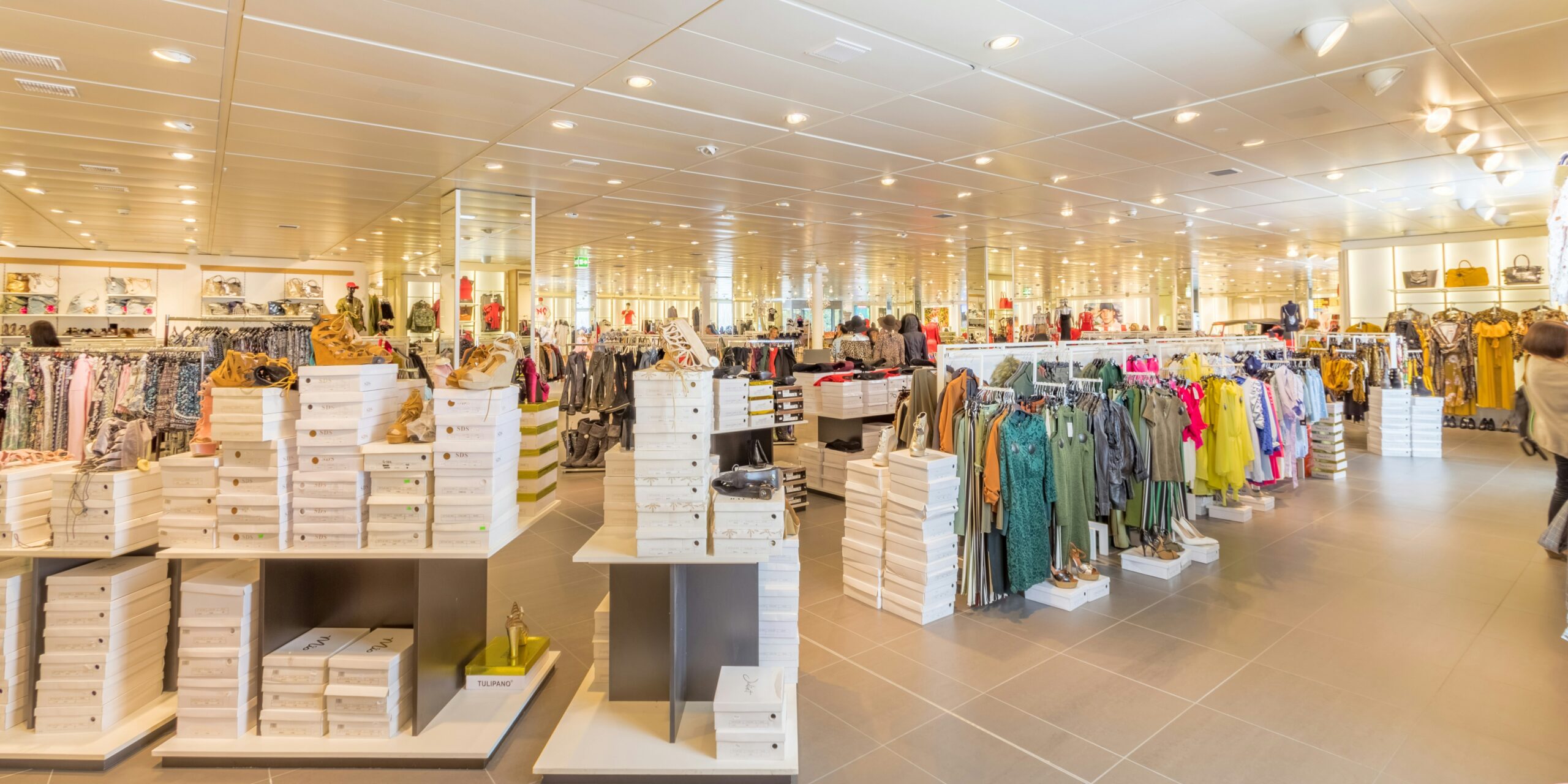
U.S. financial markets wrapped up a week of trading that was marked by a combination of year-end investor positioning and strong signals coming from the retail sector. As the holiday shopping season gained momentum, retail performance emerged as a central economic driver, and analysts noted a clear pattern of elevated consumer spending. This surge in consumer activity has played a crucial role in bolstering market sentiment, as several major retailers reported higher-than-expected sales in early December. With the holiday season well underway, these positive retail trends helped set a hopeful tone for both investors and retailers, despite the challenges that many businesses continue to face.
The holiday shopping season is always a key barometer of the U.S. economy, and 2025 proved no different. Early reports showed that consumers were out in full force, spending at elevated levels, particularly in categories such as electronics, apparel, and toys. These products are traditionally among the most sought-after during the holidays, and their strong sales signal not only a rebound in consumer confidence but also an eagerness to spend on holiday gifts. Retailers had anticipated a robust season, and these early sales results helped validate that optimism. The demand for holiday gifts, especially big-ticket items like electronics, was a bright spot in a year that had been characterized by inflation concerns and rising costs in other areas of the economy.
However, despite the upbeat sales figures, earnings reports from some of the key players in the consumer discretionary sector showed mixed results. While demand for products remained high, many companies were still grappling with the ongoing effects of supply chain disruptions and rising costs, particularly in the areas of production and logistics. These challenges have made it difficult for some companies to fully capitalize on the strong consumer demand, as higher costs cut into profitability. That said, many firms were able to offset some of these pressures by leveraging their strong brands and by passing on price increases to consumers who, so far, have remained willing to spend.
The mixed results from earnings reports illustrate the complexities of the current retail landscape. While certain companies and sectors are thriving, others are struggling to keep pace with the higher operational costs and the challenges of managing inventories during a period of unpredictable demand. Despite these difficulties, the overall retail sector has benefited from a resilient consumer, one that has shown a willingness to make significant purchases during this key shopping season.
Investor sentiment remained optimistic, though cautious, as major stock indexes saw modest gains throughout the week. The strong performance in the retail sector provided a solid foundation for the market, but investors continued to monitor a broader range of economic indicators. Key metrics, such as labor market data, inflation trends, and corporate guidance for 2026, all influenced market expectations as investors looked ahead to the coming year. The outlook for 2026 is one of uncertainty, with some analysts projecting slower growth as businesses work through supply chain issues and inflationary pressures, while others remain hopeful for a continued consumer-driven recovery.
As the week closed, it was clear that consumer spending remained a bright spot for the U.S. economy, offering support to a market that is dealing with the complexities of a post-pandemic environment. While supply chain issues and inflation are expected to continue influencing market dynamics, the strength of the retail sector and the ongoing confidence of U.S. consumers offered a degree of optimism for the near-term future. The end of the week marked a pivotal moment in the year-end trading cycle, where retail performance and consumer confidence played a critical role in helping to sustain modest gains in the market.
The final weeks of the year will be crucial for retailers as they navigate the peak of the holiday season. Consumer spending patterns in these weeks will set the stage for the year ahead, and how retailers adapt to the ongoing challenges of supply chains and cost management will determine their profitability. With investors keeping a close eye on the performance of key sectors, including retail, and on broader economic indicators, the outlook for 2026 will be shaped by how well businesses can balance consumer demand with the persistent pressures of inflation and operational costs. As the holiday season continues, the U.S. financial markets remain poised, with eyes on both the present retail trends and the larger economic picture for the year to come.
Read Also: https://nvtoday.com/uk-retail-sales-show-modest-growth-amid-economic-challenges/