Home»Culture»U.S. Communities Spotlight Culture and Creativity Through Spring Arts …
U.S. Communities Spotlight Culture and Creativity Through Spring Arts Programming and Poetry Month Events


Cultural institutions across the United States have been hosting a wide range of arts, literature, and community-based programming tied to spring cultural observances, including National Poetry Month and seasonal arts initiatives organized by museums, libraries, and local organizations. These activities reflect a continued nationwide emphasis on creative expression, public access to the arts, and community engagement through cultural participation.
While there is no single centralized cultural festival defining this period, many institutions traditionally schedule exhibitions, readings, performances, and workshops during the spring season. In 2026, these efforts have continued to highlight the role of culture in education, civic identity, and community well-being.
National Poetry Month Inspires Public Literary Engagement
April is widely recognized as National Poetry Month, an initiative established by the Academy of American Poets to encourage reading, writing, and appreciation of poetry across all age groups. Throughout the month, libraries, schools, and literary organizations nationwide host readings, poetry slams, writing workshops, and public installations designed to make poetry more accessible.
Mid-month programming often includes student poetry showcases, open-mic nights, and collaborative writing events. Educators frequently use this period to encourage students to explore creative writing as a form of self-expression and communication, while public libraries expand access to poetry collections and host community discussions on contemporary literary themes.
The initiative continues to serve as a platform for highlighting poetry’s role in cultural expression and literacy development, with participation spanning schools, community centers, and digital platforms.
Museums and Cultural Institutions Expand Spring Programming
Across the country, museums and cultural centers use the spring season to launch or continue exhibitions focused on history, identity, and artistic innovation. Many institutions incorporate interactive elements such as guided tours, hands-on workshops, and artist talks to deepen public engagement.
Major cultural institutions often emphasize accessibility during this period, encouraging visitors to explore art, history, and science through immersive experiences. Regional museums and galleries also contribute by showcasing local artists and community heritage projects, helping to strengthen connections between cultural identity and place.
These programs frequently support regional creative economies while also preserving and promoting diverse artistic traditions.
Nevada’s Cultural Scene Highlights Local Art and Community Identity
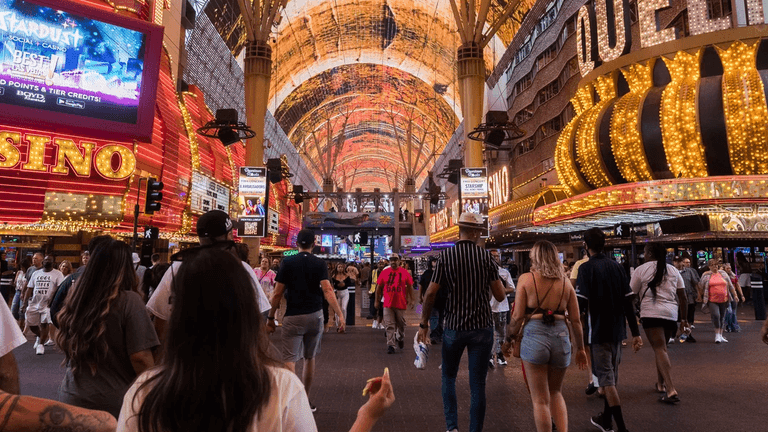
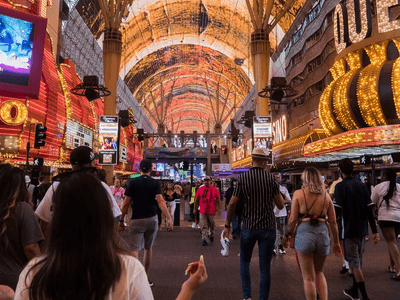
In Nevada, spring cultural programming reflects the state’s diverse artistic landscape, shaped by Indigenous heritage, Western history, and contemporary urban culture. Cities such as Las Vegas, Reno, and surrounding communities regularly host art walks, gallery exhibitions, live performances, and public art installations during this time.
Local arts organizations emphasize accessibility and community participation, often offering free or low-cost cultural events. Public libraries contribute through creative writing workshops, student showcases, and literary programs connected to broader national poetry celebrations.
State and regional arts agencies play an important role in supporting artists and expanding access to cultural opportunities. These organizations provide grants, educational programs, and collaborative initiatives that help sustain creative communities and encourage artistic development across Nevada.
Culture’s Role in Education and Community Building
Cultural programming during the spring season also underscores the growing recognition of the arts as a vital component of education and community development. Schools and universities across the country integrate arts-based learning into curricula, using literature, music, and visual arts to support critical thinking, communication skills, and emotional expression.
Libraries continue to serve as important cultural hubs, offering more than books alone. Many provide digital media access, public workshops, storytelling events, and community gathering spaces that support lifelong learning.
Arts participation is widely associated with stronger community engagement and educational benefits. As a result, cultural programming is often viewed not only as entertainment but also as a meaningful contributor to civic life.
Cultural Access in the Digital Era
In addition to in-person events, digital platforms have significantly expanded access to cultural programming. Virtual museum tours, livestreamed poetry readings, and online workshops allow audiences from across the country to participate regardless of location.
This hybrid approach has become increasingly common, enabling institutions to reach wider audiences while maintaining strong local engagement. Social media also plays a key role in promoting artists, sharing event information, and encouraging public participation in cultural challenges and creative initiatives.
As a result, cultural experiences are becoming more interconnected, blending physical and digital participation in ways that broaden access and visibility.
Looking Ahead
As the spring cultural season continues, institutions are expected to maintain momentum through additional programming, including exhibitions, literary events, and public arts initiatives. Many organizations are also preparing for upcoming summer festivals and expanded educational outreach efforts.
The ongoing cultural activities reflect a broader commitment to fostering creativity, preserving heritage, and expanding access to the arts. Across communities nationwide, these efforts highlight culture as a unifying force that strengthens identity, encourages expression, and supports lifelong learning.

NV Today Contributor
This article features partner, contributor, or branded content from a third party. Members of the NV Today editorial staff were not involved in the creation of this content. All views and opinions are those of the contributor alone.
Related Posts