


Home»Events»NFL Draft 2026 Opens with Strong Focus on Quarterbacks and Defensive T…
NFL Draft 2026 Opens with Strong Focus on Quarterbacks and Defensive Talent

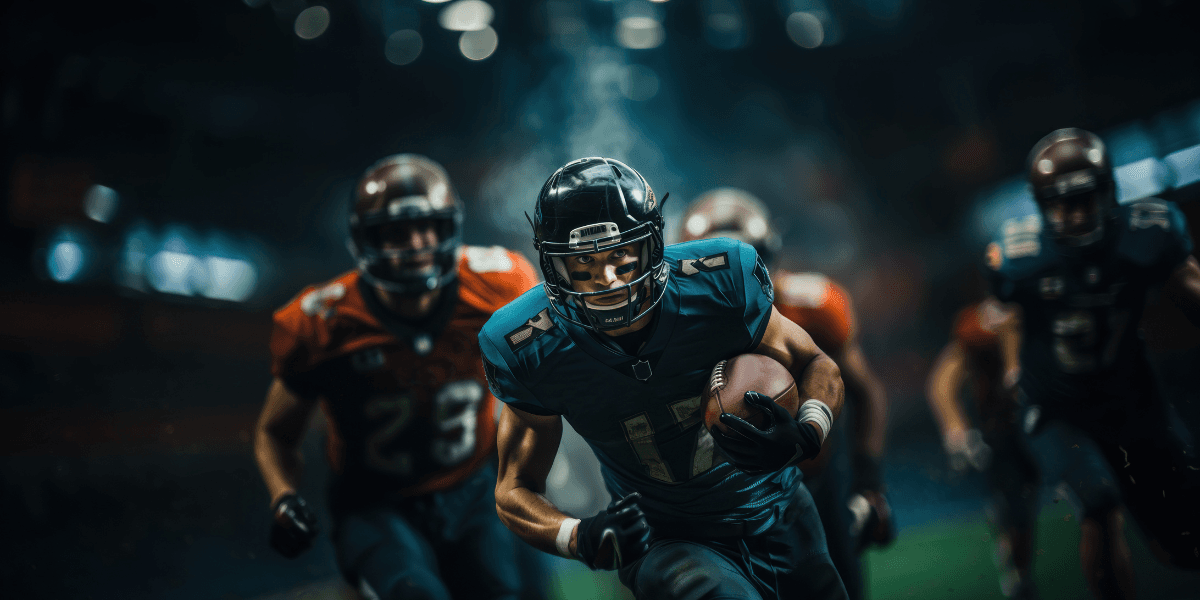
The 2026 edition of the NFL Draft officially kicked off on April 23, drawing national attention as teams across the league made pivotal selections to shape their futures. Held in a highly anticipated host city format, the first round delivered a mix of expected picks, strategic surprises, and a clear emphasis on building around young talent at key positions.
The draft, organized annually by the National Football League, remains one of the most significant events in American sports. It allows franchises to select top collegiate players, providing a pipeline of new talent that can immediately impact team performance. This year’s draft class was widely regarded by analysts as particularly deep in quarterbacks and defensive players, and early selections reflected that assessment.
As expected, quarterback prospects dominated the opening round. Several teams in need of long-term solutions under center prioritized players known for their arm strength, mobility, and decision-making. The first overall pick was used on a highly touted quarterback who had led his college team to a standout season, reinforcing the league-wide trend of investing in dynamic offensive leaders capable of adapting to increasingly fast-paced game strategies.
Beyond quarterbacks, defensive standouts also commanded significant attention. Edge rushers, cornerbacks, and linebackers were selected early, signaling teams’ continued focus on countering high-powered offenses. Analysts noted that defensive versatility, players capable of performing multiple roles, was a key factor in many selections. This reflects the evolving nature of professional football, where adaptability and speed are critical.
Several franchises entered the draft with multiple first-round picks, allowing them to address different roster needs simultaneously. Teams undergoing rebuilding phases used these opportunities to secure foundational players, while contenders focused on adding depth and refining specific areas such as offensive line protection or secondary coverage.
The event itself also highlighted the NFL’s ongoing efforts to enhance fan engagement. Thousands of spectators attended in person, while millions more tuned in through broadcast and streaming platforms. Interactive experiences, fan zones, and live analysis contributed to making the draft not just a sporting procedure but a major entertainment event.
From a business perspective, the draft continues to be a significant driver of economic activity. Host cities benefit from increased tourism, hotel bookings, and local spending. The event also generates substantial advertising revenue and media coverage, reinforcing the NFL’s position as one of the most commercially successful sports leagues in the world.
For teams, the implications of draft decisions extend far beyond the immediate season. Successful selections can shape a franchise’s trajectory for years, while missteps may lead to prolonged rebuilding efforts. As such, front offices invest considerable resources in scouting, data analysis, and player evaluations leading up to draft day.
Experts have emphasized that while first-round picks often receive the most attention, the later rounds can be equally impactful. Many of the league’s most successful players historically have emerged from mid- to late-round selections, underscoring the importance of comprehensive talent evaluation.
The 2026 draft also reflects broader trends within college football development programs. Increased emphasis on athlete conditioning, advanced training techniques, and exposure through national competitions has contributed to a deeper and more competitive talent pool. This has made the selection process more complex, as teams weigh not only current performance but also long-term potential.
Looking ahead, the remaining rounds of the draft are expected to continue addressing team-specific needs, including special teams roles and developmental prospects. Coaches and analysts will closely monitor how these new additions integrate into training camps and preseason preparations.
In summary, the opening of the 2026 NFL Draft showcased the league’s ongoing evolution, with a strong focus on quarterback leadership and defensive adaptability. It also reaffirmed the draft’s role as a cornerstone event in American sports, combining athletic ambition, strategic planning, and widespread public interest. As teams finalize their selections in the coming days, the true impact of these decisions will begin to unfold on the field in the seasons ahead.

NV Today Contributor
This article features partner, contributor, or branded content from a third party. Members of the NV Today editorial staff were not involved in the creation of this content. All views and opinions are those of the contributor alone.
Related Posts