


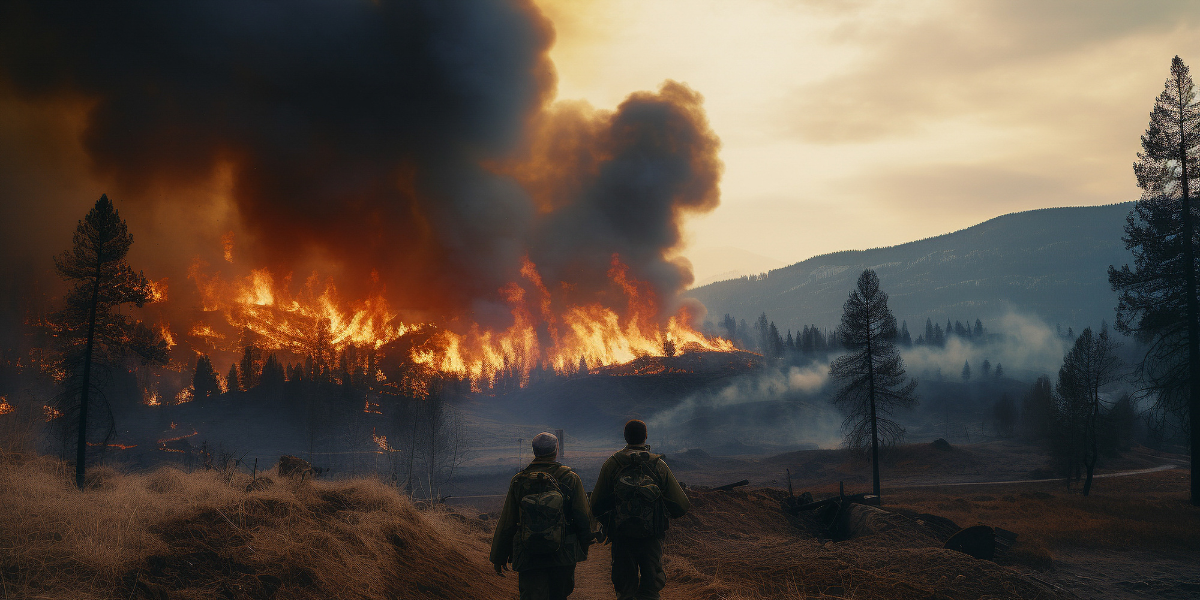
Nevada is entering a period of heightened wildfire readiness as unusually warm temperatures and persistently dry conditions spread across much of the western United States. State and federal agencies have increased preparedness measures in response to growing concerns that the combination of early-season heat and low moisture levels in vegetation could lead to an active and potentially challenging fire season.
Officials say the current conditions are being driven by a mix of above-average temperatures, limited spring rainfall, and drying landscapes across the region. These factors are contributing to elevated fire danger in parts of Nevada, particularly in areas with dense grasses, shrublands, and forested terrain that can carry fire quickly under the right wind and weather conditions.
Rising Temperatures and Dry Fuels Increase Fire Risk
Meteorological monitoring across the Southwest indicates a strong warming trend, with daytime highs consistently exceeding seasonal norms. In Nevada, this warming pattern is especially significant because it arrives earlier than typical peak fire conditions, which usually develop later in the summer.
Drying vegetation is a central concern. Grasses that grew during the cooler and wetter months are now curing more quickly than expected, creating a continuous layer of fine fuels that can ignite easily. Once ignited, these fuels allow fires to spread rapidly, particularly in open rangelands and foothill regions common across the state.
Fire behavior specialists note that even moderate wind events can significantly accelerate fire spread under these conditions. Low humidity levels further increase the likelihood that small sparks, whether caused by natural sources such as lightning or human activity, can develop into fast-moving wildfires.
State Agencies Increase Firefighting Readiness
In response to these conditions, Nevada fire management agencies have expanded their readiness posture. Crews and equipment are being strategically positioned closer to high-risk zones, particularly in areas that have experienced dry vegetation growth and limited recent precipitation.
This pre-positioning strategy includes wildfire engines, hand crews, and support personnel stationed near wildland-urban interface communities, where residential development meets natural vegetation. Officials emphasize that this approach helps reduce response times during initial fire outbreaks, which is often critical in preventing small fires from escalating.
Air support resources, including helicopters and fixed-wing aircraft used for water and retardant drops, are also being placed on standby in coordination with regional partners. These assets play a key role in slowing fire growth during the early stages of an incident.
Federal and State Coordination Strengthened
Federal land management agencies are working closely with Nevada state authorities to coordinate wildfire response planning. This includes shared monitoring of fire danger levels, resource allocation, and staffing of interagency coordination centers.
Large portions of Nevada are managed by federal agencies, making collaboration essential during fire season. Agencies such as the U.S. Forest Service and Bureau of Land Management are adjusting resource distribution across state lines to ensure coverage in areas facing the highest risk.
This coordinated system allows firefighting resources to be mobilized quickly across jurisdictions, ensuring that emerging fires can be addressed before they expand beyond initial containment zones.
Local Communities Encouraged to Prepare
Local emergency management officials across Nevada are encouraging residents to take proactive steps to reduce wildfire risk around homes and communities. These recommendations include clearing dry vegetation, removing accumulated debris from gutters and roofs, and maintaining defensible space around structures.
Residents in rural and suburban areas near wildland regions are being advised to prepare emergency kits and review evacuation routes in case rapid fire spread requires quick action. Authorities stress that preparedness is especially important during early-season fire conditions, when residents may not yet be fully aware of heightened risk levels.
Public safety agencies are also reinforcing the importance of staying informed through official alerts and updates. Rapid changes in wind or temperature can quickly alter fire behavior, making timely information critical for safety.
Potential Impacts on Transportation and Air Quality
Beyond direct fire threats, officials are also evaluating secondary impacts that could arise if wildfire activity increases. Transportation corridors that pass through mountainous or heavily vegetated areas may face temporary closures if fires occur nearby or if smoke reduces visibility.
Air quality is another concern, particularly for Nevada’s urban centers. Smoke from regional fires can travel long distances, affecting air quality even in areas not directly impacted by flames. Health officials note that fine particulate matter in wildfire smoke can pose risks for individuals with respiratory conditions, as well as sensitive populations such as children and older adults.
Energy infrastructure is also being monitored, especially transmission lines that cross fire-prone regions. Utility providers are coordinating with emergency agencies to reduce ignition risks and ensure system stability during periods of elevated fire danger.
Outlook for the Coming Fire Season
While it is still early in the year, experts caution that current conditions may signal an active fire season ahead if dry and warm weather patterns continue. Nevada’s diverse geography, including deserts, valleys, and forested mountain regions, can contribute to varying fire behavior depending on local conditions.
Officials emphasize that early preparation is a key factor in reducing wildfire impacts. By staging resources, improving coordination, and encouraging public readiness, agencies aim to limit the spread and severity of potential fire incidents.
As weather conditions continue to evolve, state and federal partners are expected to maintain elevated monitoring and readiness levels. Updates to fire danger assessments and resource deployment will continue throughout the coming weeks as part of ongoing wildfire management efforts.