


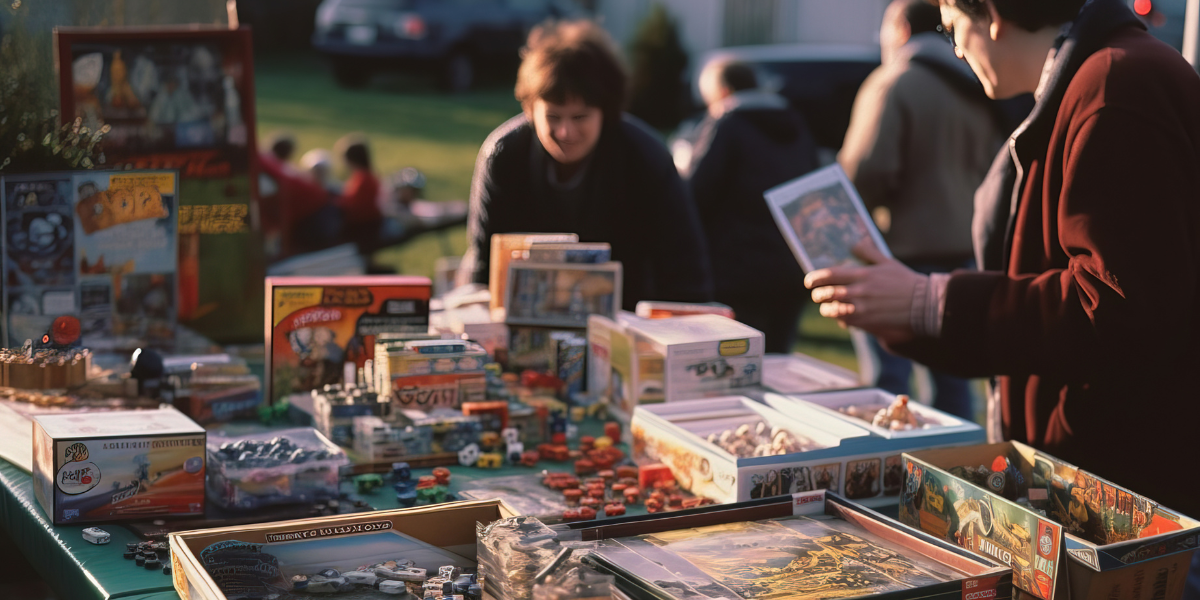
Nevada has launched its annual Arts & Heritage Week, bringing together artists, historians, educators, and community organizations across Las Vegas, Reno, Carson City, and rural communities in a statewide celebration of cultural identity and creative expression. The week-long initiative highlights the state’s diverse traditions, contemporary arts scene, and efforts to expand public access to cultural experiences. Organizers emphasized that the program is designed to strengthen community engagement, support local artists, and encourage residents to explore Nevada’s cultural resources in new ways. It also reflects ongoing efforts to position the state as a regional hub for arts and cultural tourism.
Events opened with simultaneous gatherings in major cities featuring live performances, visual arts displays, and interactive installations. In Las Vegas, the downtown arts district hosted a public festival with music, dance, and exhibitions inspired by Nevada’s landscapes and multicultural communities. Reno’s programming emphasized collaboration between local theaters and student performers, while Carson City focused on historical exhibitions showcasing Nevada’s development from mining-era settlements to modern urban centers. Organizers also introduced family-oriented programming and evening cultural showcases to increase participation across age groups while local food vendors and artisans contributed to festival environments that highlight Nevada’s multicultural influences. Many events were designed as interactive experiences, allowing attendees to engage directly with artists and cultural practitioners.
A major focus is Indigenous culture, with participation from Paiute, Shoshone, and Washoe communities. Elders and cultural educators are leading workshops on storytelling, traditional crafts, language preservation, and ecological knowledge. These programs aim to strengthen awareness of Indigenous contributions while ensuring cultural practices are preserved and passed on to younger generations through hands-on learning and school engagement. Some workshops are being conducted in collaboration with schools and cultural nonprofits, helping integrate Indigenous knowledge into broader educational frameworks across the state. This effort also aims to promote intergenerational learning and strengthen cultural preservation initiatives led by tribal communities.
To expand access, organizers have introduced mobile cultural programs that travel to rural and underserved areas. These include pop-up museums, traveling theater productions, outdoor film screenings, and mobile art exhibits. Many museums and galleries are also offering free admission throughout the week, encouraging broader community participation regardless of income or location. These mobile initiatives are supported by state cultural agencies and local partners, ensuring that transportation barriers do not prevent participation in arts programming. Organizers say this model helps create more equitable access to cultural resources.
Educational institutions across the state are integrating arts programming into classroom learning. Students are participating in workshops led by professional artists focusing on creative expression, cultural history, and career pathways in the arts. Universities and community colleges are also supporting exhibitions and student-led showcases that highlight emerging talent in Nevada’s creative sector. Several programs also emphasize digital arts, media production, and design thinking skills to align with evolving creative industry demands. These efforts are helping students build portfolios that can support future careers in both artistic and commercial fields.
Beyond cultural enrichment, the initiative supports Nevada’s growing creative economy. Officials and industry leaders note that investment in arts and culture strengthens tourism, hospitality, and entertainment sectors while helping diversify the state’s economic base. Las Vegas and Reno continue to expand cultural tourism offerings, positioning arts programming as an increasingly important part of regional development strategies. Industry stakeholders also point to increased collaboration between cultural institutions and private companies as a driver of innovation in Nevada’s creative sector. Such partnerships are expected to support job creation and long-term sustainability in arts-related industries.
Community response has been strong, with high attendance reported at events statewide. Organizers say the initiative reflects a growing recognition of culture as a core part of civic identity and economic growth. Plans are already underway to expand programming in future years with additional digital exhibitions, artist residencies, and cross-community collaborations. Officials also noted that feedback from participating communities will be used to shape future editions of the program. This includes expanding outreach and refining programming based on public input.