


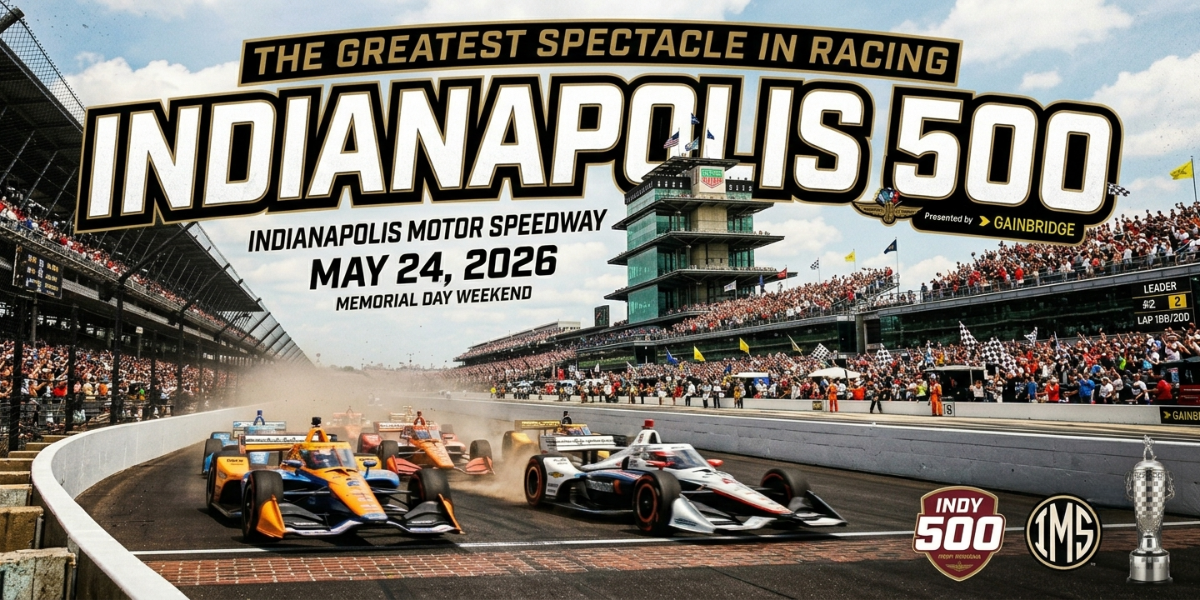
The Indianapolis 500 continues to prove that major sporting events are more than entertainment, they are economic engines that can shape an entire city’s business landscape. As race week builds toward one of the most recognized motorsport events in the world, Indianapolis is seeing a major boost in tourism, hospitality, and local commerce, reinforcing the race’s long-standing role as a driver of regional growth.
Held annually at the Indianapolis Motor Speedway, the Indianapolis 500 remains the largest single-day sporting event in the United States by attendance. Hundreds of thousands of fans travel to the city for the race, creating a surge in spending that reaches well beyond the speedway itself. Hotels, restaurants, transportation providers, and retail businesses across the metropolitan area all benefit from the influx of visitors.
For Indianapolis, race week is one of the most important economic periods of the year. Local tourism officials estimate that the event contributes millions of dollars in direct spending through accommodations, dining, merchandise, and entertainment. The ripple effect extends to small businesses, temporary staffing, and service providers, many of which rely heavily on the annual event for seasonal revenue.
One of the strongest indicators of the race’s economic value is hotel demand. Downtown Indianapolis properties typically reach near-capacity during race week, with many visitors booking months in advance. Nearby suburban communities also see increased occupancy, as fans often stay throughout the holiday weekend. This extended visitor presence helps generate revenue for neighboring attractions and businesses that are not directly tied to motorsports.
The business opportunities tied to the race are not limited to hospitality. Corporate sponsorship remains a major financial pillar of the event. National brands invest heavily in race-related advertising, hospitality suites, product activations, and experiential marketing. The event provides companies with a high-visibility platform to connect with consumers in person and through global broadcasts. This commercial ecosystem supports not only the speedway but also vendors, production crews, and local contractors.
The race also strengthens Indianapolis’ broader identity as a destination for large-scale events. City leaders have spent years positioning the area as a hub for sports tourism, convention travel, and entertainment-based business development. The Indianapolis 500 serves as the centerpiece of that strategy, demonstrating how a historic sporting event can continue to attract investment while modernizing its appeal for new generations.
The Indianapolis Motor Speedway itself plays a major role in this ecosystem. Opened in 1909, the venue is one of the most historic sports facilities in the world and remains a year-round attraction. Beyond race day, the site hosts tours, special events, museums, and additional motorsports competitions. These offerings create consistent visitor traffic that supports surrounding businesses throughout the year.
The event’s long-term value comes from its consistency. Unlike one-time championship events, the Indianapolis 500 is a recurring attraction with a loyal audience. Families often travel to the race as an annual tradition, creating a dependable cycle of tourism. This repeat visitation helps businesses plan staffing, inventory, and promotions with confidence, making the event especially valuable to the local economy.
For Nevada readers, the Indianapolis model is especially relevant. Las Vegas has become one of the country’s most visible sports destinations, with major events such as Formula 1, professional football, and large-scale combat sports bringing similar economic benefits. The continued success of Indianapolis shows that sports can serve as a foundation for long-term business growth when paired with strong infrastructure and visitor planning.
What sets the Indianapolis 500 apart is the way it combines heritage with commercial relevance. The race’s cultural significance gives it staying power, while modern hospitality strategies help maximize revenue. Restaurants expand hours, entertainment venues host special events, and local businesses develop race-themed promotions that encourage spending throughout the city.
Transportation systems also benefit from increased activity. Airports, rideshare operators, and parking services experience some of their busiest periods during race week. This movement supports a broader service economy that includes logistics, security, and event staffing. The race has effectively become a citywide business event, touching nearly every major industry in the area.
The Indianapolis 500 demonstrates how a legacy sports event can remain central to a regional economy. It supports tourism, drives local spending, and reinforces the city’s reputation as a major destination for national events. As more U.S. cities look to sports as a strategy for economic development, Indianapolis continues to show how tradition and business can work together to create lasting growth.