



Home»News»France’s Pension Reform Sparks Nationwide Protests
France’s Pension Reform Sparks Nationwide Protests

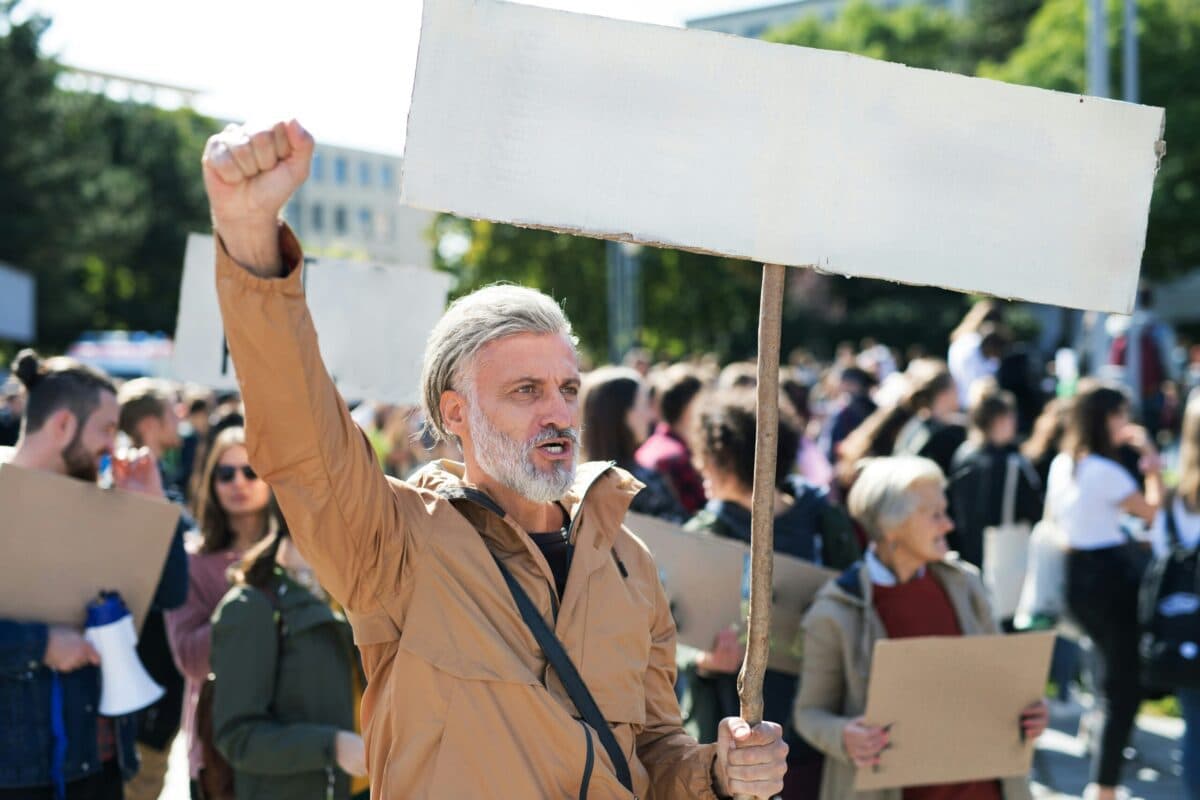
On January 19, 2023, France was engulfed in widespread protests following President Emmanuel Macron’s announcement of a controversial pension reform plan. Central to Macron’s agenda during his second term, the proposal aimed to raise the retirement age from 62 to 64 as a solution to France’s mounting pension deficit. The country’s aging population and increasing welfare costs have placed immense financial pressure on the pension system, prompting the government to seek reforms to ensure its long-term viability.
Public Outcry and Demonstrations
The announcement triggered a wave of public outrage, with millions of French citizens flooding the streets to oppose the reform. Labor unions, long resistant to changes in pension policy, played a pivotal role in organizing the protests. Disruptions were widespread, severely impacting public transportation and affecting multiple industries nationwide. The protests drew a diverse coalition of workers, retirees, and young people, all voicing fears that the reform would undermine their economic security. The demonstrations ranked among the largest seen in France in recent years, underscoring deep dissatisfaction with the government’s approach to pension challenges.
Challenges Facing the Pension System
France’s pension system has been under strain for years due to a declining ratio of workers to retirees. With fewer contributors supporting an increasing number of beneficiaries, maintaining current pension benefits has become financially unsustainable. Macron’s administration argued that raising the retirement age was a necessary step to bolster the system by encouraging people to work longer and contribute additional years of payroll taxes. The reform was presented as essential to preventing a potential collapse of pension funds and safeguarding France’s economic future.
Resistance and Social Concerns
Despite the government’s rationale, the pension reform met fierce resistance. Many critics, especially from working-class communities, perceived the change as disproportionately burdensome, particularly for individuals in physically demanding jobs who find extending their careers challenging. The debate sparked broader discussions about social equity, with opponents accusing the government of prioritizing austerity measures over the well-being of its citizens. Concerns about fairness and the impact on vulnerable populations fueled the intensity and duration of the protests.
Government’s Position and Negotiation Efforts
Throughout the ongoing unrest, President Macron maintained a firm stance on the reform’s necessity. The government engaged in dialogue with unions during January but failed to reach significant compromises, prolonging tensions. The stalemate further exacerbated social unrest, with strikes and demonstrations continuing unabated.
Political Fallout and Future Implications
The pension reform crisis is poised to have lasting effects on Macron’s presidency and the broader political landscape in France. The backlash could undermine his capacity to advance other policy priorities and influence upcoming elections by heightening political polarization. This conflict highlights the widening rift between the government and its citizens over economic and social policies and may become a defining challenge of Macron’s second term, shaping France’s future governance and social contract.

NV Today Contributor
This article features partner, contributor, or branded content from a third party. Members of the NV Today editorial staff were not involved in the creation of this content. All views and opinions are those of the contributor alone.
Related Posts