
Home»News»FAA Ground Stop Disrupts Las Vegas Air Travel as Hundreds of Flights F…
FAA Ground Stop Disrupts Las Vegas Air Travel as Hundreds of Flights Face Delays and Cancellations

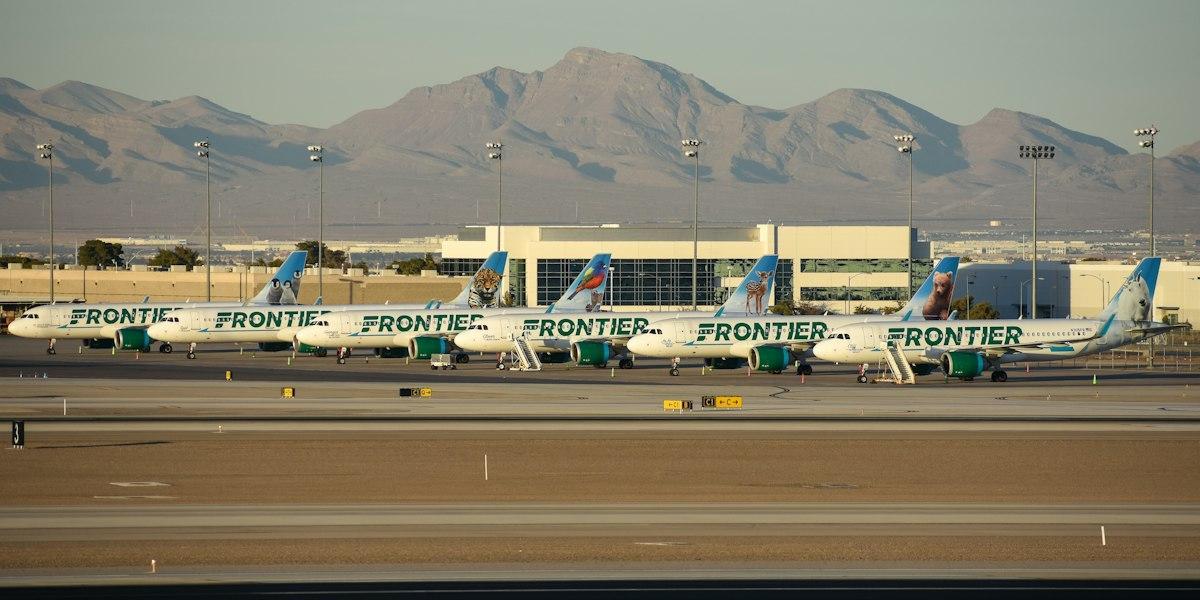
A more than four-hour FAA ground stop disrupts operations at Harry Reid International Airport, affecting travelers across Southern Nevada.
Travelers passing through Las Vegas experienced significant disruptions on November 13 after the Federal Aviation Administration issued a ground stop affecting operations at Harry Reid International Airport. The restriction lasted more than four hours, resulting in hundreds of flight delays and cancellations and creating widespread uncertainty for passengers traveling through Southern Nevada.
The disruption affected one of the country's busiest tourism gateways, where airport operations support a constant flow of visitors arriving for conventions, entertainment, business activities and leisure travel.
Passengers faced changing departure schedules, crowded airport areas and difficulties coordinating connecting flights as airlines worked to respond to the restrictions.
The incident also highlighted the importance of reliable air transportation to the Las Vegas economy, where tourism and visitor spending remain closely connected to airport activity.
A Major Disruption at Harry Reid International Airport
Harry Reid International Airport is a central transportation facility for Las Vegas and surrounding communities.
Its operations support domestic and international passenger traffic, connecting Southern Nevada with major metropolitan areas throughout the United States and destinations abroad.
The November 13 ground stop interrupted normal flight operations for more than four hours.
During a ground stop, aircraft are generally prevented from departing toward an affected airport or operating within specified restrictions.
Such measures can be used when conditions require aviation authorities to manage air traffic or address operational concerns.
Although the restrictions were eventually lifted, the interruption created a backlog of scheduled flights that required additional time to resolve.
Passengers whose flights were delayed or canceled faced the challenge of securing alternative arrangements while airlines worked through the operational disruption.
Airlines Work to Restore Normal Operations
The lifting of the ground stop did not immediately return the airport to its regular schedule.
Aircraft and crews were already positioned according to flight plans that had been affected by the restrictions.
When an airport experiences a prolonged disruption, the consequences can extend beyond the period during which aircraft are prevented from operating.
Airlines must coordinate available aircraft, flight crews, departure slots and passenger arrangements.
A delayed incoming aircraft can also affect its next scheduled departure, creating additional disruption across multiple destinations.
The situation at Harry Reid International Airport therefore involved more than individual delayed flights.
The airport and airline operators needed to manage the wider operational consequences while passengers sought updated information about their travel plans.
Effects on Las Vegas Tourism
The disruption was particularly significant because Las Vegas relies heavily on visitors arriving by air.
The city attracts travelers attending conventions, sporting events, concerts, casino entertainment and business meetings.
Airport interruptions can affect hotel check-ins, scheduled events, transportation reservations and meetings arranged around arrival times.
Convention organizers may also face difficulties when participants experience travel delays.
Hotels and other hospitality businesses can be affected when guests arrive later than expected or are unable to reach the city on their scheduled flights.
Although the full economic impact of the November 13 disruption was not immediately established, the incident demonstrated how aviation problems can extend into other parts of the local economy.
Passenger Challenges During the Ground Stop
For affected travelers, the immediate concern was determining whether scheduled flights would depart and whether alternative arrangements were available.
Passengers were encouraged to monitor airline communications and updated departure information.
Travelers with connecting flights faced additional uncertainty because a delay at one airport can affect the entire journey.
Some passengers may have been required to change itineraries, while others had to wait for revised departure times.
Airline customer-service operations can also experience increased demand during major disruptions.
The number of affected passengers and the extent of individual travel problems varied according to airline schedules and the destinations involved.
The Importance of Aviation Coordination
The incident highlights the complexity of the American air transportation system.
Airport operations depend on coordination among federal aviation authorities, airlines, air traffic controllers, airport management and other service providers.
A disruption involving one major airport can affect aircraft movements elsewhere because commercial aviation operates through interconnected schedules.
The consequences can become more extensive when restrictions remain in place for several hours.
Airlines must also balance operational recovery with safety requirements and the availability of personnel.
The FAA's responsibility includes managing the national airspace system and maintaining safe and efficient aircraft operations.
Ground stops are among the tools available to control traffic when operating conditions require restrictions.
Las Vegas Airport's Economic Importance
Harry Reid International Airport is more than a transportation facility.
It supports the city's position as an international destination for entertainment, tourism and conventions.
The airport's passenger activity contributes to employment across airlines, hospitality, transportation, retail and airport services.
It also supports business activity throughout Clark County by connecting companies and visitors with the region.
A prolonged disruption therefore has implications beyond the inconvenience experienced by individual passengers.
It can affect the movement of workers, business representatives, convention participants and tourists.
Recovery and Continuing Travel Considerations
Following the lifting of the ground stop, airlines worked to restore schedules and accommodate affected passengers.
However, the return to normal operations required time because of the accumulated delays and cancellations.
The incident underscored the importance of real-time communication between airlines and travelers during major aviation interruptions.
For Southern Nevada, the disruption served as a reminder of the region's dependence on reliable air transportation.
As one of the country's major tourism destinations, Las Vegas requires consistent airport operations to support its visitor economy.
The November 13 ground stop demonstrated how a temporary restriction can create consequences across transportation, tourism and business activity long after normal airport operations resume.

NV Today Contributor
This article features partner, contributor, or branded content from a third party. Members of the NV Today editorial staff were not involved in the creation of this content. All views and opinions are those of the contributor alone.
Related Posts

More from News
- Nevada’s Trail Planning Effort Seeks to Balance Outdoor Recreation and Conservation
- Nevada Seeks Public Input on First Statewide Trails Plan
- Nevada Observes Traffic Safety Week as Officials Emphasize Preventable Road Risks
- UNLV Football Defeats Previously Unbeaten North Dakota State in Defensive Battle
- Vegas Golden Knights Defeat Vancouver Canucks 3–2 in Close Home Victory
- Devastating Floods in Brazil and Kenya Expose Growing Climate Vulnerabilities
- A Historic Assault on Israel Raises Regional Tensions
- A Devastating Earthquake Strikes Taiwan
- Tragedy Strikes as Francis Scott Key Bridge Collapses
- Mass Kidnapping Shocks Nigeria