


Home»Business»The Cultural Architect: Why Organizational Culture Determines Leadersh…
The Cultural Architect: Why Organizational Culture Determines Leadership Success

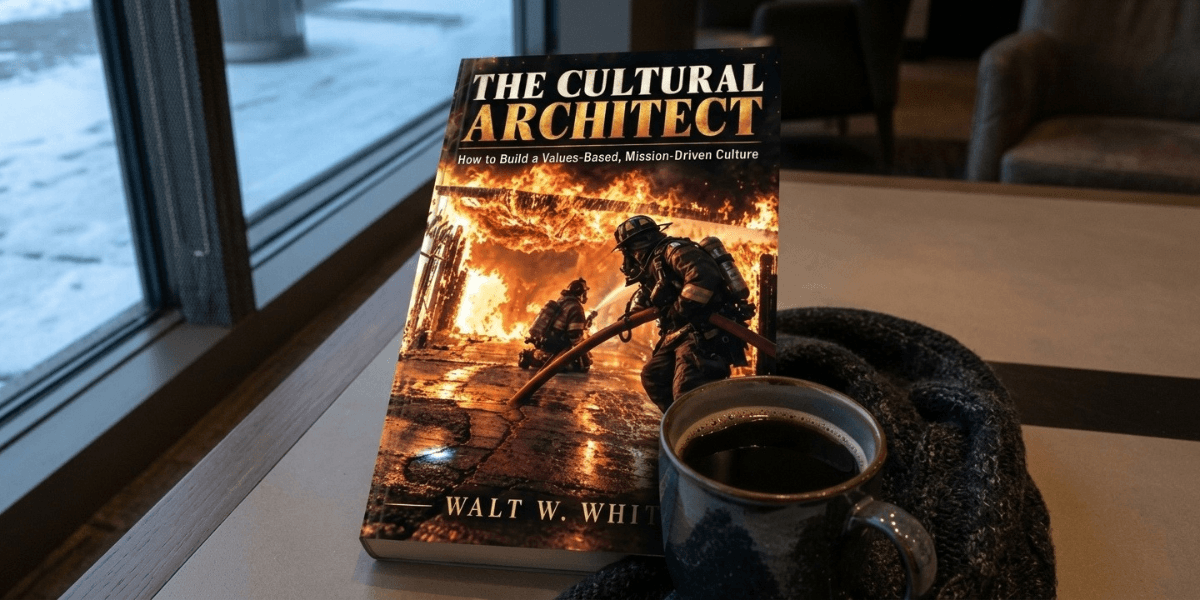
Author Walt W. White uses 40 years of leadership experience to help organizations build values-based cultures with trust and accountability.
Every organization has a culture. The more important question is whether that culture reflects the values, purpose, and standards its leaders want people to experience every day.
For Walt W. White, author of The Cultural Architect: How to Build a Values-Based, Mission-Driven Culture, organizational culture is not a secondary concern or an abstract leadership concept. It is a defining force that can determine whether an organization succeeds or fails. Drawing on four decades of experience, including leadership roles in three fire agencies across California and Nevada, White offers a practical framework for leaders who want to understand their organizations and create meaningful change.
His central message challenges leaders to look beyond strategy and operational tactics. Plans matter, but the culture surrounding those plans influences how people communicate, make decisions, respond to challenges, and work toward a shared mission.
Four Decades of Leadership Experience Behind The Cultural Architect
White's perspective comes from a career shaped by public service, organizational responsibility, and consequential leadership decisions. He led three separate fire agencies in two states, including the Sacramento Fire Department. During his dozen years as a fire chief, he guided organizations through some of their most consequential moments.
Leading a fire agency requires more than managing daily operations. It involves preparing people to make decisions under pressure, maintaining trust across teams, and ensuring that individuals understand the mission behind their responsibilities. In these environments, organizational culture is not merely a statement displayed on a wall. It influences how people behave when circumstances become difficult and decisions carry significant consequences.
Those experiences helped White recognize patterns that extend beyond the fire service. Whether an organization operates in public safety, business, or another professional environment, its culture affects the way people work together. Leadership decisions establish expectations, but everyday interactions determine whether those expectations become part of the organization's identity.
White's experience also includes lessons that did not come from success alone. Rather than presenting leadership as a collection of perfect decisions, he shares personal accounts of both achievements and setbacks. His willingness to examine what went wrong gives his perspective a practical dimension. Failure, in his view, can reveal lessons that success sometimes leaves undiscovered.
The Seven Elements of Organizational Culture
Through years of leading teams and examining organizational behavior, White identified seven essential elements of organizational culture: Values, Trust, Development, Accountability, Performance, Resilience, and Succession. He also identified three primary levers leaders can use to create organizational renewal.
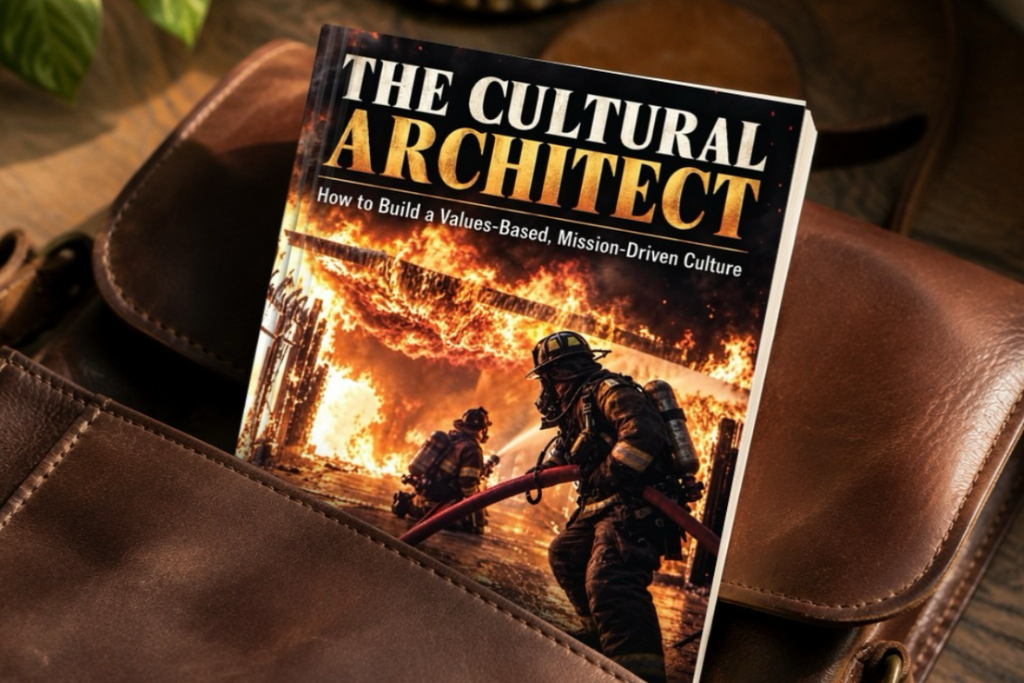
These ideas form the foundation of his book, The Cultural Architect: How to Build a Values-Based, Mission-Driven Culture. Rather than treating culture as something that develops on its own, the framework encourages leaders to understand the forces shaping their organizations and take an active role in influencing them.
The distinction is important. An organization may have a mission statement, established procedures, and carefully developed strategic goals. Yet those elements cannot guarantee that employees share the same understanding of the mission or feel connected to its purpose. When stated values and everyday behavior do not align, the gap can affect trust, accountability, and performance.
White's approach places responsibility on leaders to examine that gap. Building a values-based, mission-driven culture requires attention to what people experience, not simply what an organization says it believes.
His framework is designed to help leaders move from recognizing cultural problems to taking deliberate steps toward renewal. It offers a way to think about organizational culture as something that can be understood, shaped, and strengthened through consistent leadership.
Wander, Don't Wonder: The Importance of Understanding Your Organization
One of White's central leadership messages is that leaders should "Wander, not Wonder" about what is happening within their organizations.
The idea encourages leaders to spend time beyond their offices, engage with their teams, and observe the organization as it operates. Instead of making assumptions from reports or relying exclusively on information that reaches them through formal channels, leaders should actively seek a clearer understanding of the people and processes they oversee.
Wandering creates opportunities for conversations that might not happen in scheduled meetings. It allows leaders to hear concerns, recognize strengths, notice emerging problems, and understand how organizational values are being experienced in practice.
This approach also reinforces an important leadership responsibility: staying connected to the people carrying out the mission. Employees often have firsthand knowledge of operational challenges and opportunities. Leaders who make themselves accessible can gain perspectives that formal reporting structures may overlook.
For White, understanding an organization's culture begins with curiosity and direct engagement. Leaders should not simply wonder whether their teams trust one another or whether their values are reflected in daily work. They should make the effort to find out.
Huddle Up: Building Trust and Encouraging Creativity
White also emphasizes the importance of bringing teams together through what he describes as "Huddle Up." The concept highlights the value of creating opportunities for people to connect, exchange ideas, and build trust.
A productive team environment depends on more than assigning responsibilities. People need opportunities to communicate openly, understand different perspectives, and contribute to shared solutions. When leaders create space for meaningful discussion, team members can become more comfortable raising concerns and offering ideas.
Huddles can help strengthen relationships while encouraging creativity. They give teams a setting in which questions can be explored, challenges can be discussed, and individuals can work toward a common understanding.
The principle complements White's emphasis on wandering. Leaders first make the effort to understand what is happening throughout the organization. They then bring people together to strengthen communication and develop solutions. Both practices support a culture in which trust and collaboration are treated as essential parts of organizational performance.
Leadership Lessons That Include Failure, Not Just Success
What distinguishes White's approach is his willingness to share the difficult parts of leadership alongside the accomplishments. His experience leading three fire agencies provides a foundation for discussing responsibility, organizational change, and the consequences of leadership decisions.
He does not present a polished account in which every challenge leads to an immediate success. Instead, he recognizes that mistakes and setbacks can provide valuable information about people, systems, and decision-making.
That honesty is particularly relevant for leaders navigating organizational renewal. Change can create uncertainty, expose weaknesses, and challenge established ways of working. A framework that acknowledges these realities can help leaders approach improvement with greater awareness.
White's professional recognition also reflects his longstanding connection to the fire service. He was inducted into the Guns & Hoses Hall of Fame in 2016 and the Firefighter Challenge Hall of Fame in 2024. Alongside these honors, he brings his experience to professional speaking and executive coaching, extending his leadership message to audiences beyond the organizations he has directly led.
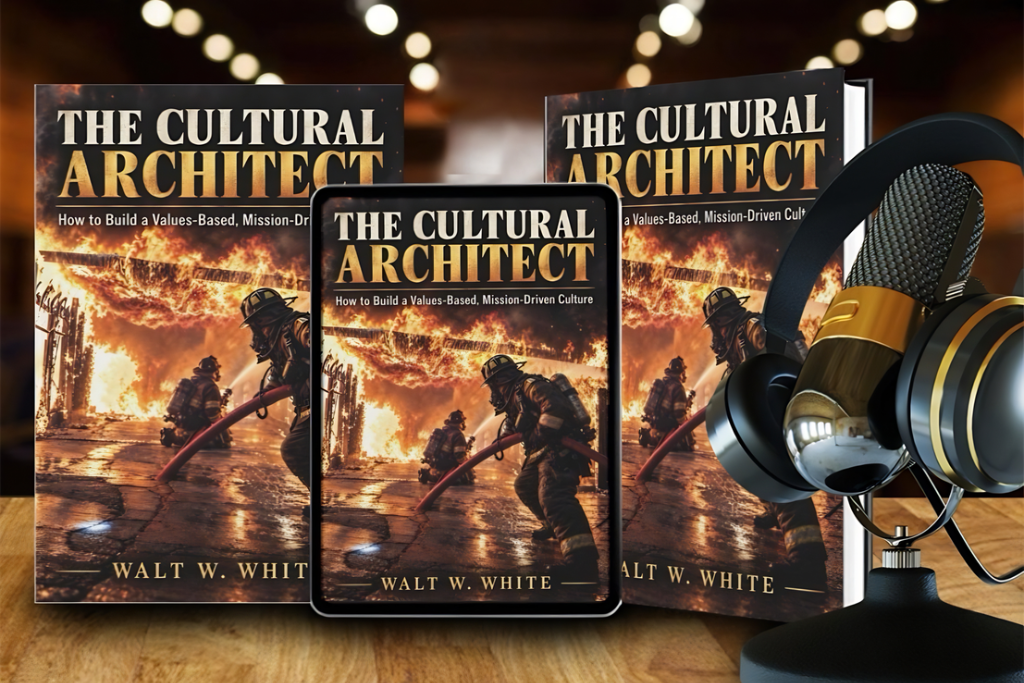
White has also shared his perspective on building trust and strengthening leadership culture through an appearance on Fire Engineering. In the October 28, 2026, episode, “Building a Culture of Trust in the Fire Service with Walt W. White”, hosted by Frank Ricci, he discusses leadership and organizational trust through the lens of his fire service experience. The 48-minute episode offers another opportunity for audiences to hear his insights beyond the pages of The Cultural Architect. It is also available through Podcast App.
Building a Culture That Supports the Mission
For White, the central leadership question is not simply whether an organization has a strategy. It is whether its culture supports the mission that strategy is intended to accomplish.
His book, The Cultural Architect: How to Build a Values-Based, Mission-Driven Culture, brings together lessons from decades of leadership and a framework developed through experience. It encourages leaders to examine the values shaping their organizations, understand the people within them, and take intentional steps toward renewal.
Explore The Cultural Architect
Walt W. White is the author of The Cultural Architect: How to Build a Values-Based, Mission-Driven Culture. With 40 years of experience and leadership across three fire agencies in California and Nevada, he is available for professional speaking engagements and executive coaching.
Leaders interested in exploring these principles can learn more about White's work through The Cultural Architect and find the book on Amazon. His message offers a practical starting point for anyone responsible for guiding a team: understand the culture that exists, decide what kind of culture the mission requires, and lead the work of bringing the two closer together.

NV Today Contributor
This article features partner, contributor, or branded content from a third party. Members of the NV Today editorial staff were not involved in the creation of this content. All views and opinions are those of the contributor alone.
Related Posts