



Home»News»Las Vegas Activates Cooling Stations as Extreme Heat Hits Southern Nev…
Las Vegas Activates Cooling Stations as Extreme Heat Hits Southern Nevada

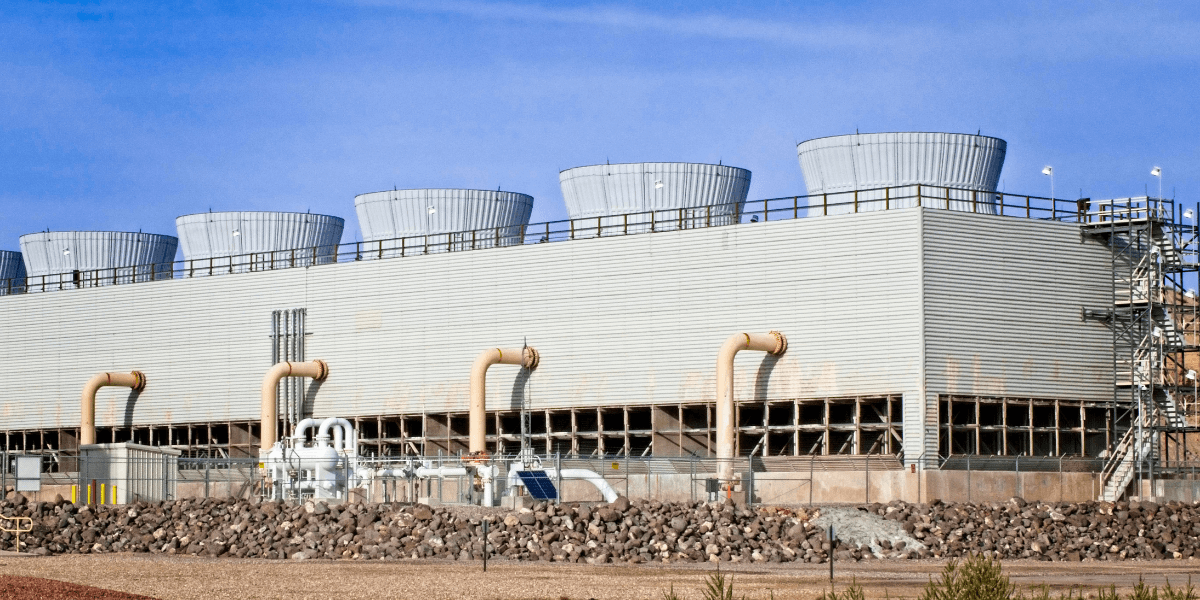
Las Vegas and surrounding communities activated emergency daytime cooling stations on August 6 as an extreme heat wave brought dangerous conditions to Southern Nevada. The temporary facilities are scheduled to remain available through August 11, providing residents with air-conditioned places to escape the heat as temperatures rise across the Las Vegas Valley.
The response comes as the National Weather Service continues monitoring dangerous heat across the Southwest. The agency has warned that prolonged periods of extreme temperatures can significantly increase the risk of heat-related illness, particularly among older adults, people without reliable air conditioning, outdoor workers, children, and other vulnerable residents.
Cooling Stations Open Across Southern Nevada
The emergency cooling stations provide residents with an alternative to remaining outdoors or in homes without adequate cooling during the hottest part of the day.
According to local officials, stations are being made available through community facilities and other public locations. The initiative is designed particularly to help people who may not have consistent access to air conditioning during the extreme heat.
The availability of cooling centers is an important component of Southern Nevada’s heat-response system because the region’s desert climate can produce dangerously high temperatures for extended periods.
Extreme Heat Creates Significant Health Risks
The National Weather Service has repeatedly emphasized that extreme heat can become dangerous when high temperatures persist and nighttime conditions provide insufficient relief.
During previous extreme heat warnings affecting Southern Nevada, forecasters reported afternoon temperatures reaching well above 100 degrees, with desert valleys experiencing particularly dangerous conditions. The agency recommends staying hydrated, remaining in air-conditioned environments when possible, limiting strenuous outdoor activity, and checking on relatives and neighbors.
Heat-related illness can develop quickly, especially when people remain outdoors for extended periods without adequate hydration or opportunities to cool down.
Outdoor Workers Face Additional Challenges
The extreme conditions are particularly important for people whose jobs require them to spend significant time outdoors.
Construction workers, landscapers, delivery personnel, road crews, and other outdoor employees can face increased exposure during periods of extreme heat. Federal workplace safety guidance recommends frequent rest breaks in shaded or air-conditioned environments during dangerous heat conditions.
Employers and workers are therefore encouraged to monitor weather conditions and adjust outdoor activities when necessary.
Residents Urged to Check on Vulnerable Neighbors
Heat safety officials continue emphasizing the importance of community awareness.
Older adults and people who live alone can face greater risks during extreme heat, particularly if they lack reliable air conditioning or have difficulty accessing cooling resources. Residents are encouraged to check on family members, friends, and neighbors who may need assistance.
Children and pets also require special attention. Officials strongly warn against leaving children or animals unattended inside vehicles, where temperatures can become dangerous within minutes.
Preparing Homes for Extreme Temperatures
Residents who remain at home during the heat wave can take several steps to reduce exposure.
Keeping blinds and curtains closed during the hottest portions of the day can reduce indoor heat. Residents with air conditioning are encouraged to ensure their systems are operating properly and to use cooling equipment efficiently.
People who do not have adequate cooling should consider using available public cooling facilities rather than remaining in dangerously hot indoor environments.
The city has previously advised residents to recognize warning signs of heat-related illness and seek help quickly when symptoms become serious.
Heat Response Requires Community Coordination
The activation of cooling stations demonstrates how local governments, emergency managers, public facilities, and weather agencies coordinate during extreme weather.
Southern Nevada’s desert environment makes heat preparedness a recurring public safety responsibility. Cooling stations provide an immediate response, while longer-term planning includes public education, resilient infrastructure, access to shaded areas, and strategies designed to reduce heat exposure in vulnerable neighborhoods.
The National Weather Service continues advising residents to monitor official forecasts because conditions can change and heat warnings may be extended or modified.
Looking Ahead
The cooling stations activated on August 6 are expected to remain available through August 11 as Southern Nevada responds to the latest period of extreme heat. Residents are encouraged to use the facilities if they need relief, remain hydrated, limit strenuous outdoor activities, and monitor official weather information.
For Las Vegas and the surrounding communities, the response underscores an increasingly important reality of desert living: extreme heat is not simply an inconvenience but a significant public safety concern. The combination of timely warnings, accessible cooling resources, and community awareness remains essential to helping Southern Nevada residents safely navigate dangerous summer conditions.

NV Today Contributor
This article features partner, contributor, or branded content from a third party. Members of the NV Today editorial staff were not involved in the creation of this content. All views and opinions are those of the contributor alone.
Related Posts