
Home»News»Nevada Seeks Public Input on First Statewide Trails Plan
Nevada Seeks Public Input on First Statewide Trails Plan

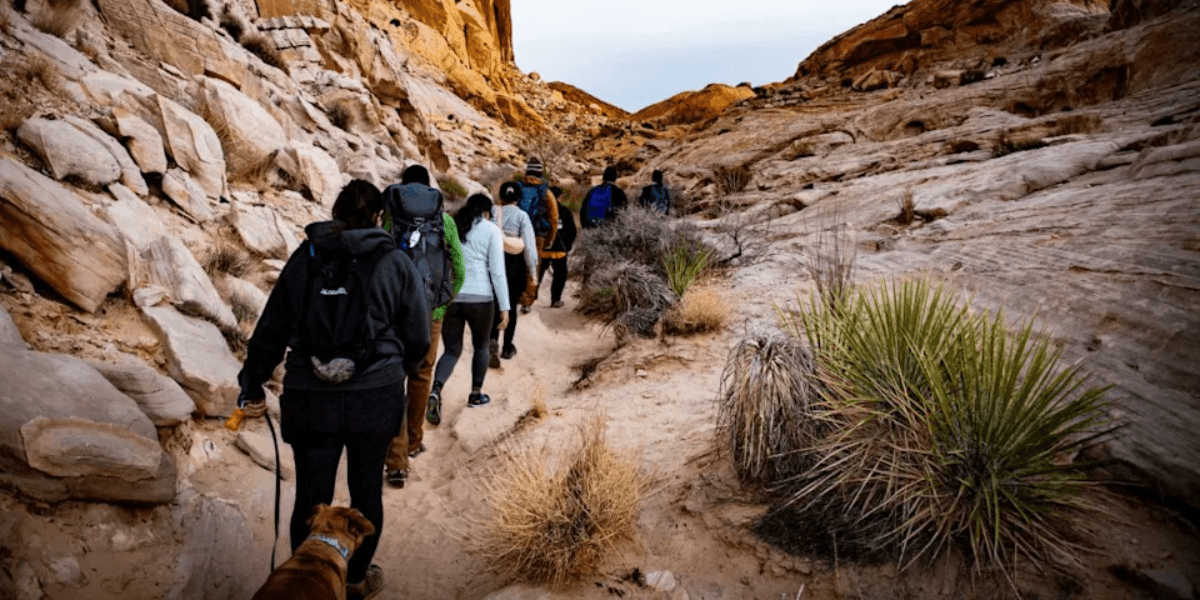
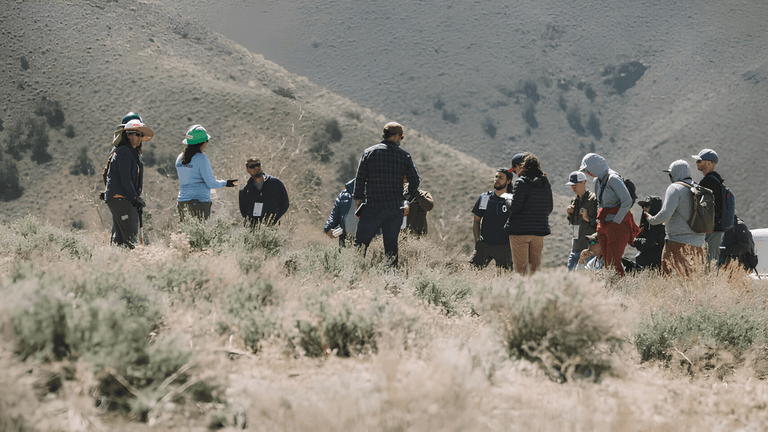
State agencies are gathering feedback to guide the development, access, and management of trails used for recreation across Nevada.
Nevada officials opened a public-input process on October 14 for the state's first statewide trails plan, inviting residents to describe how they use trails and identify improvements they believe are needed. The initiative is intended to help guide the development, access, and management of routes used for hiking, mountain biking, horseback riding, and off-highway vehicles.
The survey, announced by the Las Vegas Sun, was scheduled to remain open through November 30. The planning effort provides a statewide framework for considering recreation infrastructure in a state where communities range from densely populated urban areas to remote desert and mountain regions.
The plan is relevant to residents, outdoor recreation groups, land managers, local governments, and businesses connected to tourism and outdoor activities. Its development could help identify differences in access, maintenance, safety, and demand across Nevada.
A Statewide Approach to Trail Planning
Trails serve a variety of purposes across Nevada. Some are used for daily recreation near population centers, while others provide access to public lands, mountain landscapes, desert routes, and rural destinations.
Different trail types also require different management approaches. Hiking routes may prioritize foot access and environmental protection, while mountain biking trails require attention to surface conditions, route design, and potential conflicts among users. Equestrian trails and routes for off-highway vehicles present additional considerations involving access, maintenance, and safety.
A statewide plan can help agencies consider these needs within a broader framework rather than treating each trail system as an isolated project.
The public-input process allows users to identify how they currently access trails, where they encounter difficulties, and which improvements they consider important. Those perspectives can help planners understand patterns that may not be fully captured by administrative records alone.
Why Public Feedback Matters
Residents often have direct knowledge of local trail conditions, including maintenance needs, access barriers, signage problems, and areas where different activities compete for space.
A statewide survey can collect information from people who use trails in different ways and live in different parts of Nevada. That information may help agencies identify common priorities while recognizing that rural, suburban, and urban communities face different challenges.
Public feedback does not determine the final plan by itself. Agencies must also consider land ownership, environmental requirements, available funding, maintenance responsibilities, safety concerns, and the practical feasibility of proposed improvements.
However, collecting input early can help planners understand which issues matter most to residents and recreation groups before decisions about future priorities are finalized.
Balancing Access and Conservation
Nevada's outdoor recreation areas include environments that can be sensitive to heavy use. Trail planning therefore involves balancing public access with the need to protect landscapes, wildlife, and other natural resources.
Poorly designed routes can contribute to erosion, habitat disturbance, or conflicts between recreational activities and land-management objectives. Appropriate route placement, maintenance, signage, and user education can help address some of these challenges.
Different locations may require different approaches. A heavily used trail near a city may need improved parking, wayfinding, or connections to existing recreation networks. A remote route may require attention to navigation, emergency access, environmental sensitivity, and the effects of vehicle use.
A statewide plan can provide a common framework for considering these issues while allowing local managers to respond to conditions on individual trails.
Recreation and Nevada's Economy
Outdoor recreation contributes to activity in communities throughout Nevada. Visitors and residents may spend money on lodging, food, fuel, equipment, guiding services, transportation, and other goods connected to recreation trips.
The economic effects vary by location and activity. Popular destinations may support tourism businesses, while local trails can provide recreational opportunities for residents without requiring long-distance travel.
Better planning could help communities identify infrastructure needs and improve the management of existing resources. However, the announcement of a statewide plan does not itself establish that tourism spending or visitor numbers will increase.
Any economic benefits will depend on the routes selected for improvements, the quality of access, the availability of supporting services, and the ability to manage use responsibly.
Safety and Shared Use
Trail users may encounter one another at crossings, trailheads, narrow routes, and areas where several forms of recreation overlap. Clear information about permitted activities and expected behavior can reduce confusion and help users share public spaces.
Planning may also need to account for parking, access roads, emergency response, and the availability of accurate maps. These issues can be especially important in remote areas where mobile connectivity and nearby services may be limited.
Different users can have different expectations about trail conditions and acceptable activities. A statewide process can help identify those differences and inform decisions about route design, access rules, and maintenance priorities.
What the Plan Could Mean for Communities
The statewide initiative gives Nevada an opportunity to examine recreation infrastructure across a wide range of landscapes and communities. Its value will depend on how the public feedback is assessed and translated into practical priorities.
A completed plan could help guide decisions about where new routes are needed, which existing trails require attention, and how different activities should be accommodated. It may also help agencies coordinate efforts where trail systems cross jurisdictional boundaries or connect with public lands.
The process will not eliminate competing demands or guarantee that every requested improvement receives funding. Instead, it provides a mechanism for collecting information and developing a more coordinated picture of statewide trail needs.
For Nevada residents, the public-input period offers an opportunity to contribute information about the places they use and the improvements they consider most important. The eventual outcome will depend on the planning process, available resources, and how agencies balance recreation, safety, access, and conservation.

NV Today Contributor
This article features partner, contributor, or branded content from a third party. Members of the NV Today editorial staff were not involved in the creation of this content. All views and opinions are those of the contributor alone.
Related Posts