
Home»News»Nevada’s Trail Planning Effort Seeks to Balance Outdoor Recreation and…
Nevada’s Trail Planning Effort Seeks to Balance Outdoor Recreation and Conservation

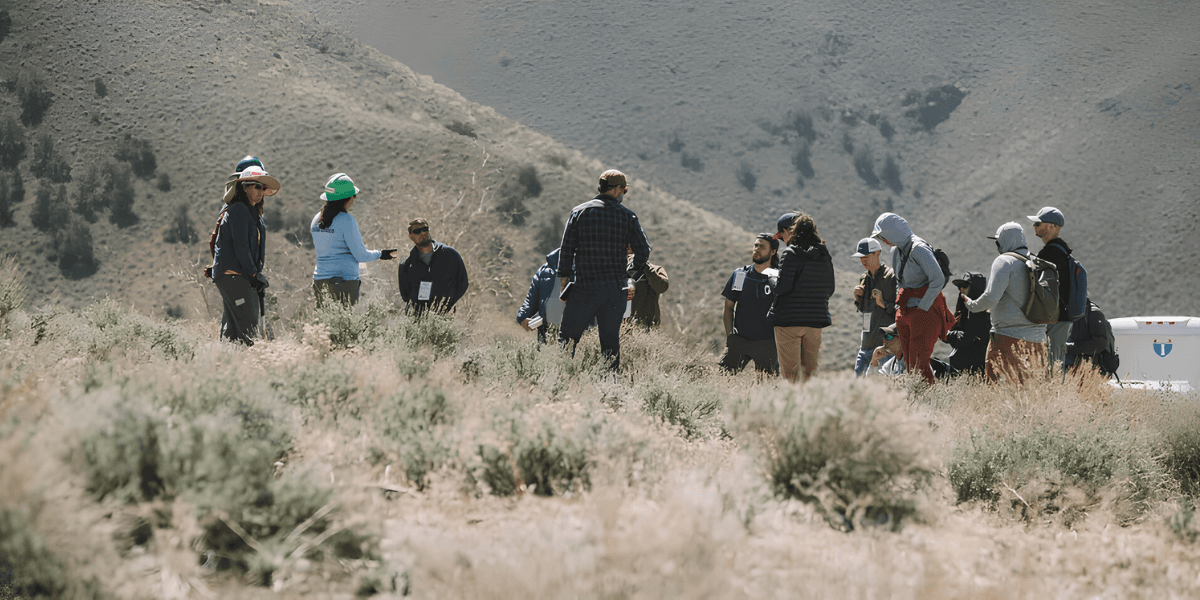
Nevada is gathering public input for its first statewide trails plan, aiming to guide outdoor recreation and future trail development.
Nevada is seeking public input as it develops its first statewide trails plan, an effort intended to help guide outdoor recreation and trail planning across the state. The initiative covers activities including hiking, mountain biking, horseback riding and off-highway vehicle use, bringing a wide range of recreational interests into a single planning process.
The plan could help public agencies better understand where trails are needed, how existing routes are used and what improvements would make outdoor access safer and more sustainable. Nevada’s landscape includes desert basins, mountain ranges, forests and rural communities, creating different demands on trail infrastructure across the state.
Public participation is a key part of the process. Residents, recreational users and local organizations can share information about frequently used routes, areas where access is limited, maintenance concerns and potential conflicts among different activities. The survey associated with the planning effort is open through November 30.
A Diverse Landscape, Diverse Trail Needs
Nevada’s outdoor recreation opportunities vary significantly by region. Urban residents may rely on nearby trail networks for regular exercise, while visitors travel to more remote areas for hiking, cycling, riding and off-highway recreation. Rural communities may also depend on outdoor destinations to attract visitors and support local businesses.
Those different uses can place distinct demands on public land. Hikers and cyclists may prefer designated routes that limit erosion and provide clear wayfinding. Horseback riders require suitable surfaces and access points, while off-highway vehicle users need routes that account for terrain, environmental conditions and safety.
A statewide plan can provide a broader framework for considering these needs together. Without coordinated planning, trail systems may develop unevenly, maintenance responsibilities can become unclear and recreation routes may conflict with conservation priorities or other land uses.
Safety and Maintenance
Trails require more than initial construction. Routes can deteriorate through weather, erosion, heavy use and the movement of vehicles or livestock. Signs, maps, access points and maintenance schedules are also important to ensure that visitors understand where they can travel and what conditions to expect.
Safety planning can include identifying difficult terrain, clarifying permitted activities and improving information about trail conditions. In remote locations, emergency access and communication may be particularly important because help can be difficult to reach quickly.
A statewide strategy could help agencies identify areas where maintenance is most urgent and establish more consistent priorities. It may also help local governments and recreation groups coordinate work on routes that cross jurisdictional boundaries.
The plan itself will not automatically resolve every maintenance problem. Funding, staffing, land ownership and permitting can all affect whether proposed improvements move forward. Still, a shared planning framework can help decision-makers identify priorities and explain why some projects may require more time or resources than others.
Protecting Natural Resources
Outdoor access also creates environmental responsibilities. Trails can affect wildlife habitat, vegetation, soil stability and water resources when they are poorly located or inadequately maintained. Heavy use can widen routes, create erosion or encourage unauthorized travel into sensitive areas.
Planning can help reduce those impacts by identifying suitable locations, directing activity toward designated routes and highlighting areas where restrictions or seasonal closures may be necessary. Clear information can also help visitors understand how to avoid damaging natural resources.
The balance is not always straightforward. Restricting access may protect sensitive landscapes but can limit recreation opportunities, while opening new routes can increase pressure on areas that previously experienced little use. Decisions require consideration of ecological conditions, public demand and the practical capacity to maintain routes over time.
Recreation and Local Economies
Trails can contribute to local economies by attracting visitors who spend money on lodging, food, fuel, equipment and other services. Outdoor recreation can support businesses in communities near popular destinations, although the benefits vary according to visitor numbers, seasonality and the availability of local services.
A statewide plan could help communities identify opportunities to improve access while managing traffic, parking, waste and other impacts associated with recreation. It could also provide a common reference for agencies and local groups seeking funding or coordinating future projects.
However, the economic value of a trail should not be measured solely by visitor numbers. Residents also benefit from nearby places to walk, exercise and spend time outdoors. Access to recreation can improve quality of life even where a trail does not attract substantial tourism.
Public Input and the Next Steps
The survey provides an opportunity for people who use Nevada’s trails to contribute practical information to the planning process. Responses can help identify gaps in access, competing uses and locations where improvements may be most beneficial.
The eventual value of the plan will depend on how agencies evaluate that feedback and translate it into priorities, funding decisions and implementation. A statewide strategy can establish direction, but continued cooperation among land managers, local governments, recreation groups and residents will be needed to maintain routes and address conflicts.
Nevada’s planning effort reflects a broader challenge facing outdoor destinations: providing recreation opportunities while protecting the landscapes that make them attractive. A coordinated approach may help the state make more informed decisions about trail access, safety, maintenance and conservation for years to come.

NV Today Contributor
This article features partner, contributor, or branded content from a third party. Members of the NV Today editorial staff were not involved in the creation of this content. All views and opinions are those of the contributor alone.
Related Posts