

Home»News»Nevada Observes Traffic Safety Week as Officials Emphasize Preventable…
Nevada Observes Traffic Safety Week as Officials Emphasize Preventable Road Risks

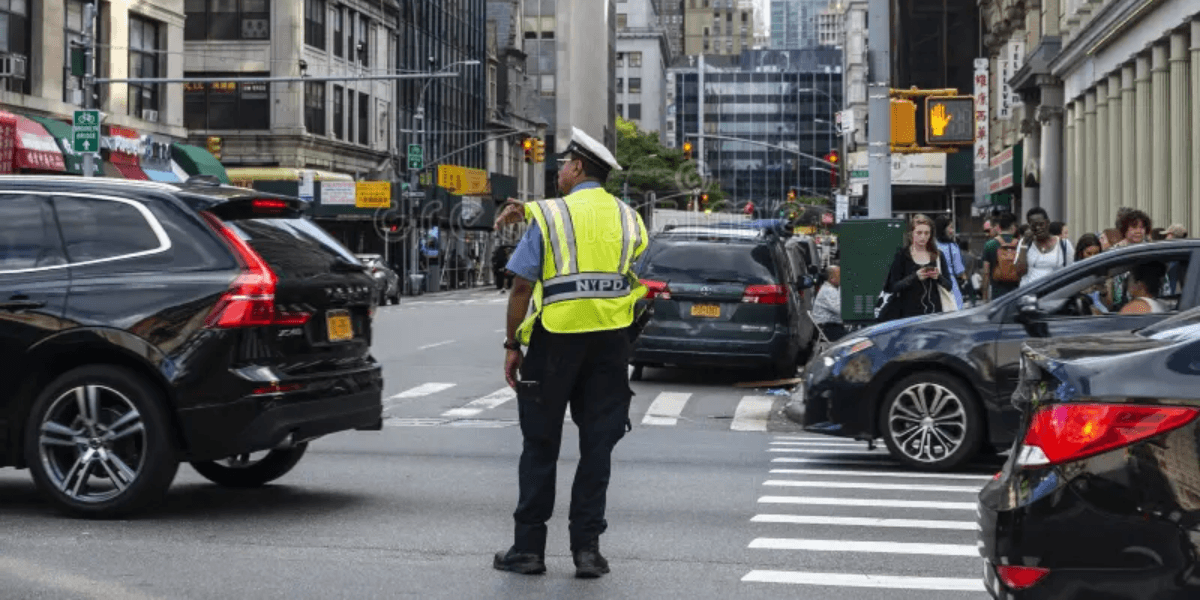
The statewide initiative highlights impaired driving, distraction, speeding, seat belt use, and pedestrian safety.
Nevada has designated the week beginning October 12 as Traffic Safety Week, placing renewed attention on behaviors that contribute to preventable deaths and injuries on the state’s roads. The proclamation by Governor Joe Lombardo calls for public awareness and cooperation among state agencies, law enforcement, safety organizations, and local communities.
The initiative focuses on several persistent road-safety concerns, including impaired driving, distracted driving, speeding, failure to wear seat belts, and dangerous interactions between vehicles and pedestrians. It also highlights the risks associated with intersections and vehicles leaving their travel lanes.
The state’s proclamation frames road safety as a matter affecting public health, economic activity, and quality of life throughout Nevada. Roads connect residents to workplaces, schools, healthcare, and essential services, making traffic injuries a concern for communities well beyond the immediate locations where collisions occur.
A Statewide Focus on Preventable Crashes
Traffic Safety Week is intended to draw attention to driving behaviors that can increase the likelihood or severity of collisions. The proclamation emphasizes that many crashes involve risks that drivers can reduce through safer decisions.
Impaired driving remains a central concern because alcohol and drugs can affect judgment, reaction time, coordination, and the ability to respond to changing road conditions. Drivers who operate vehicles while impaired may endanger passengers, other motorists, cyclists, and pedestrians.
Distracted driving presents another challenge. Mobile phone use and other diversions can draw attention away from traffic signals, road markings, pedestrians, and surrounding vehicles. Even brief lapses in attention can reduce the time available to respond to unexpected hazards.
The state’s initiative encourages road users to recognize these risks as preventable rather than unavoidable features of daily travel.
Speed and Seat Belts Matter
Speeding can make it more difficult for drivers to react to hazards and increases the force involved in a collision. The faster a vehicle travels, the more distance it generally needs to stop, while the consequences of a crash can become more severe.
Road conditions can further complicate driving. Visibility, weather, traffic density, construction zones, and road design all influence the amount of time a driver has to react safely.
Seat belt use provides a separate layer of protection. Properly worn seat belts help restrain vehicle occupants during a collision, reducing the risk of being thrown against the interior or ejected from the vehicle.
The proclamation identifies seat belts as an important means of reducing the risk of death and injury. Consistent use remains relevant for drivers and passengers, including on short trips when familiarity with a route may create a false sense of security.
Pedestrians and Intersections Require Attention
Pedestrians are among the most vulnerable road users because they lack the physical protection provided by a vehicle. A collision that might leave a vehicle occupant with relatively minor injuries can have severe consequences for someone traveling on foot.
Nevada’s safety message emphasizes that drivers have a responsibility to remain alert for pedestrians and yield when required. Pedestrian safety also depends on road design, visibility, crossing facilities, lighting, and the behavior of everyone sharing the roadway.
Intersections present additional challenges because traffic movements converge. Drivers must recognize signals, observe right-of-way rules, monitor turning vehicles, and remain aware of people crossing the street.
Failing to stop completely at a red light or misjudging another road user’s movement can create serious hazards. The state’s proclamation highlights careful intersection behavior as part of a broader approach to reducing collisions.
Why Nevada’s Geography Matters
Nevada’s communities vary considerably in population density, road design, and travel patterns. Urban areas such as Las Vegas and Reno experience complex traffic movements involving commuters, pedestrians, visitors, commercial vehicles, and public transportation.
Rural highways present different challenges, including longer distances between services, higher travel speeds, and stretches where emergency assistance may take longer to arrive. The risks faced by individual communities therefore depend partly on local road conditions and how residents use the transportation network.
Tourism and interstate travel also make road safety important to Nevada’s wider economy. Visitors regularly move between airports, hotels, entertainment districts, recreation areas, and destinations outside major population centers.
Collisions can affect families, emergency responders, healthcare facilities, employers, and other road users. Preventing them can reduce both personal suffering and the wider disruption associated with serious traffic incidents.
Coordination Across Communities
The proclamation identifies cooperation among the Nevada Office of Traffic Safety, the Nevada Advisory Committee on Traffic Safety, law enforcement agencies, and community partners as part of the state’s approach.
Public-awareness initiatives can help communicate the consequences of dangerous driving, while enforcement and road improvements can address specific risks. Education, however, is only one component of road safety. Lasting improvements may also depend on infrastructure, emergency response capacity, vehicle safety features, and consistent adherence to traffic laws.
Communities can face different priorities depending on their crash patterns and transportation networks. Areas with significant pedestrian activity may focus on crossings and visibility, while highways may require attention to speed, lane departures, and impaired driving.
The statewide observance creates an opportunity to reinforce these shared responsibilities without assuming that a single intervention can address every cause of crashes.
A Continuing Public-Safety Challenge
Traffic Safety Week places a familiar but important issue on Nevada’s public agenda: serious road injuries are not simply individual misfortunes but community-wide concerns.
The proclamation does not itself establish that crashes will decline during the observance. Its significance lies in drawing attention to recognized risk factors and reinforcing cooperation among institutions and road users.
Reducing traffic deaths and serious injuries requires sustained effort beyond a single week. Safe driving behavior, effective enforcement, appropriate infrastructure, and public awareness all contribute to safer transportation.
For Nevada residents, the initiative underscores the role that everyday decisions play in road safety. Remaining attentive, avoiding impaired driving, respecting speed limits, wearing seat belts, and protecting vulnerable road users are practical measures that support the broader goal of helping people reach their destinations safely.

NV Today Contributor
This article features partner, contributor, or branded content from a third party. Members of the NV Today editorial staff were not involved in the creation of this content. All views and opinions are those of the contributor alone.
Related Posts