Home»Culture»U.S. Arts and Culture Scene Enters Peak Festival Season with Nationwid…
U.S. Arts and Culture Scene Enters Peak Festival Season with Nationwide Creative Programming

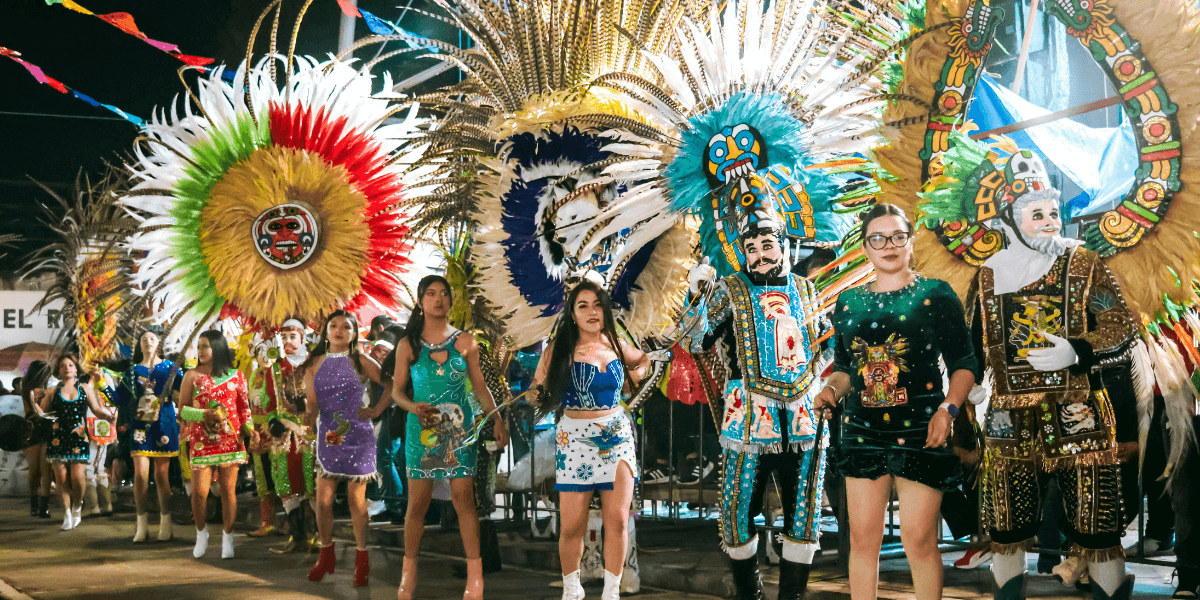
Across the United States, the cultural landscape is entering one of its most active periods of the year, as theaters, museums, music venues, and public arts organizations roll out major seasonal programming. From large-scale performing arts festivals to experimental exhibitions and community-driven music events, cultural institutions are highlighting a diverse mix of traditional works and contemporary artistic innovation.
This period is often seen as a transitional moment between spring and summer programming cycles, when audiences increase and institutions debut their most ambitious productions. The result is a wide-ranging cultural ecosystem that reflects both regional identity and broader national artistic trends.
Nationwide Performing Arts Festival Activity
Major performing arts festivals serve as key drivers of cultural engagement, bringing together orchestras, dance companies, opera performers, and interdisciplinary artists. These festivals are increasingly designed as immersive experiences rather than single-genre presentations, blending music, theater, and visual storytelling into unified performances.
A notable trend across several festival programs is the reinterpretation of classical compositions through modern choreography and staging. Productions inspired by early 20th-century orchestral works are being reimagined with contemporary movement, lighting design, and multimedia elements. This approach aims to make classical music more accessible to new audiences while preserving its artistic integrity.
Festival organizers are also emphasizing thematic programming focused on human connection, identity, and emotional expression. Rather than centering purely on technical performance, many events are structured around narrative or conceptual frameworks that allow audiences to engage with the material on multiple levels.
In addition, regional festivals continue to expand their reach by collaborating with local artists, schools, and cultural organizations. These partnerships help ensure that programming reflects the communities in which the festivals take place, strengthening local engagement and participation.
Theater and Immersive Performance Growth
The American theater landscape is experiencing continued diversification, with productions ranging from Broadway-style musicals to experimental off-Broadway and regional performances. One of the most notable developments is the growing popularity of immersive theater, where audiences are invited to move through performance spaces and interact with performers in nontraditional formats.
Classic works remain central to many theater seasons, but directors are increasingly reinterpreting these stories through modern social and cultural lenses. This includes updated staging, revised dialogue structures, and innovative set design that reflects contemporary issues without altering the core narrative of the original works.
Musical theater continues to attract strong audience interest, particularly productions that blend humor, nostalgia, and modern themes. At the same time, smaller independent theaters are gaining attention for original works that explore identity, relationships, and societal change in more intimate settings.
This balance between large-scale productions and experimental performances reflects a broader trend in the performing arts: the coexistence of commercial entertainment and artistic exploration within the same cultural ecosystem.
Visual Arts and Museum Innovation
Museums and cultural institutions across the country are increasingly focusing on interactive and experiential exhibitions. Rather than static displays, many exhibitions now incorporate multimedia installations, digital interfaces, and participatory elements that encourage visitors to engage directly with the artwork.
Themes of memory, identity, and cultural heritage are particularly prominent in current exhibitions. Artists are using photography, sculpture, and mixed media to explore personal and collective histories, often drawing connections between historical events and present-day experiences.
Contemporary art spaces are also emphasizing emerging artists, providing platforms for experimental work that challenges traditional definitions of visual art. This includes installations that combine sound, projection, and physical materials to create immersive environments.
Public art initiatives are expanding as well, with cities investing in murals, sculpture installations, and community art projects designed to make art more accessible in everyday urban spaces. These efforts aim to integrate cultural expression into public life rather than confining it to formal institutions.
Music and Community Cultural Engagement
Music remains a central pillar of cultural activity, with performances spanning classical, jazz, soul, indie, and experimental genres. Outdoor concerts and community-based music programs are particularly popular, reflecting a growing interest in accessible, informal cultural experiences.
Jazz continues to play a significant role in the American cultural identity, with improvisational performances highlighting collaboration and spontaneity. Meanwhile, orchestral performances are increasingly incorporating multimedia elements to enhance audience engagement.
Community arts programs are also expanding, offering workshops, youth engagement initiatives, and neighborhood performances. These programs are designed to build long-term cultural participation by encouraging individuals to engage not only as audiences but also as creators.
Digital platforms are further extending the reach of musical performance, allowing artists to connect with broader audiences beyond physical venues. Hybrid performances—combining live and streamed elements—are becoming a standard feature of modern cultural programming.
Key Cultural Trends
Several overarching trends define the current cultural landscape:
- Increased blending of artistic disciplines across music, theater, and visual arts
- Greater emphasis on audience participation and immersive experiences
- Expansion of regional and community-based cultural programming
- Strong focus on identity, memory, and reinterpretation of historical works
- Continued growth of hybrid digital and in-person performance models
These trends reflect a broader shift in how audiences engage with culture, moving from passive observation toward active participation and interpretation.
Conclusion
The U.S. cultural scene is experiencing a dynamic period of growth and experimentation, driven by innovation across performing arts, visual arts, and community programming. Institutions are increasingly prioritizing accessibility, collaboration, and interdisciplinary creativity, resulting in a more interconnected and responsive cultural environment.
As audiences continue to seek meaningful and immersive experiences, cultural organizations are adapting by expanding formats, rethinking traditional works, and embracing new technologies. This evolving landscape underscores the enduring importance of the arts as both a reflection of society and a catalyst for creative expression.

NV Today Contributor
This article features partner, contributor, or branded content from a third party. Members of the NV Today editorial staff were not involved in the creation of this content. All views and opinions are those of the contributor alone.
Related Posts