



Home»News»Nevada Continues Investing in Water Conservation as Southern Nevada Pl…
Nevada Continues Investing in Water Conservation as Southern Nevada Plans for Long-Term Growth

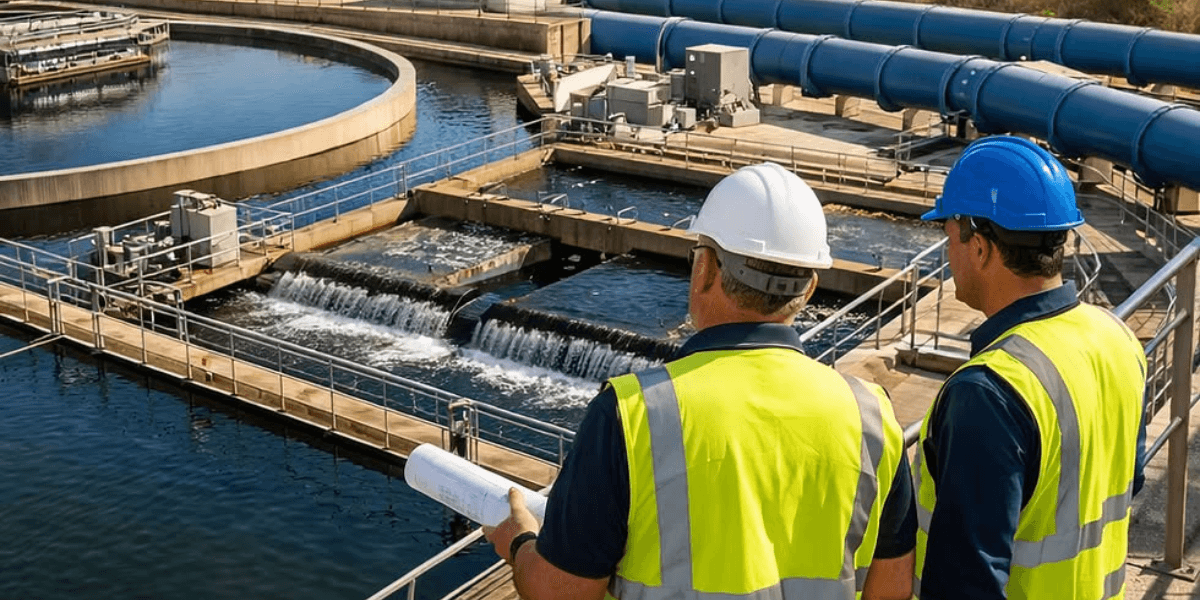
Nevada officials continued emphasizing long-term water conservation and infrastructure planning on August 4 as Southern Nevada prepared for continued population growth while managing one of the region’s most valuable natural resources. Water agencies remain focused on maintaining reliable supplies through conservation programs, advanced recycling systems, and strategic planning tied to the Colorado River, which provides the majority of Southern Nevada’s drinking water.
With Las Vegas and surrounding communities continuing to attract new residents and businesses, responsible water management remains a central component of the state’s long-term development strategy. Officials have consistently noted that balancing economic growth with sustainable resource management requires ongoing investment, public participation, and regional cooperation.
Conservation Remains a Long-Term Priority
Southern Nevada has become nationally recognized for reducing water consumption despite steady population growth.
Water-efficient landscaping programs, recycled water systems, leak detection initiatives, and public education campaigns have helped lower overall water use while maintaining reliable service for residents and businesses. These efforts continue encouraging homeowners and commercial property owners to adopt practices that reduce unnecessary outdoor water consumption.
Officials say conservation remains the most effective way to strengthen the region’s long-term water security.
Infrastructure Supports Future Demand
Modern infrastructure continues playing a critical role in Nevada’s water strategy.
Treatment facilities, pumping stations, storage reservoirs, and distribution networks are regularly upgraded to meet growing demand while improving system reliability. These investments help ensure that communities remain prepared for future population growth and changing environmental conditions.
Infrastructure planning also includes evaluating future development patterns to ensure water resources can support residential, commercial, and industrial expansion responsibly.
Colorado River Planning Continues
The Colorado River remains the primary water source for Southern Nevada, making regional planning essential for the state’s future.
Nevada continues participating in collaborative discussions with neighboring states and federal agencies regarding long-term river management. These efforts seek to balance water availability among multiple states while adapting to changing hydrological conditions and prolonged periods of drought.
State officials emphasize that cooperation remains essential for protecting water supplies that support millions of residents throughout the Southwest.
Public Participation Makes a Difference
Water conservation extends beyond government programs.
Residents continue contributing through practical everyday actions such as repairing household leaks, installing water-efficient fixtures, maintaining irrigation systems, and selecting drought-tolerant landscaping. Many local communities also provide educational workshops and incentive programs that help property owners improve water efficiency.
Officials note that small individual actions, when adopted across an entire community, contribute significantly to overall conservation goals.
Sustainable Growth Benefits Communities
Nevada’s continued economic development depends on thoughtful long-term planning.
Reliable water supplies support residential neighborhoods, tourism, healthcare, education, manufacturing, and commercial development throughout Southern Nevada. By integrating conservation into growth strategies, local governments aim to strengthen economic opportunities while protecting essential natural resources.
Planning efforts also support resilience during changing weather conditions and future environmental challenges.
Looking Ahead
As August continues, Nevada remains committed to expanding conservation efforts while investing in infrastructure capable of supporting future generations. Water agencies are expected to continue evaluating new technologies, encouraging efficient water use, and participating in regional planning initiatives that promote long-term sustainability.
The developments highlighted on August 4 demonstrate how Nevada continues balancing growth with responsible resource management. Through conservation, innovation, and collaborative planning, the state remains focused on protecting one of its most important assets while supporting the continued success of communities across Southern Nevada.

NV Today Contributor
This article features partner, contributor, or branded content from a third party. Members of the NV Today editorial staff were not involved in the creation of this content. All views and opinions are those of the contributor alone.
Related Posts