


Home»Business»Nevada’s Critical Minerals Industry Remains Central to America’s Expan…
Nevada’s Critical Minerals Industry Remains Central to America’s Expanding AI and Energy Economy

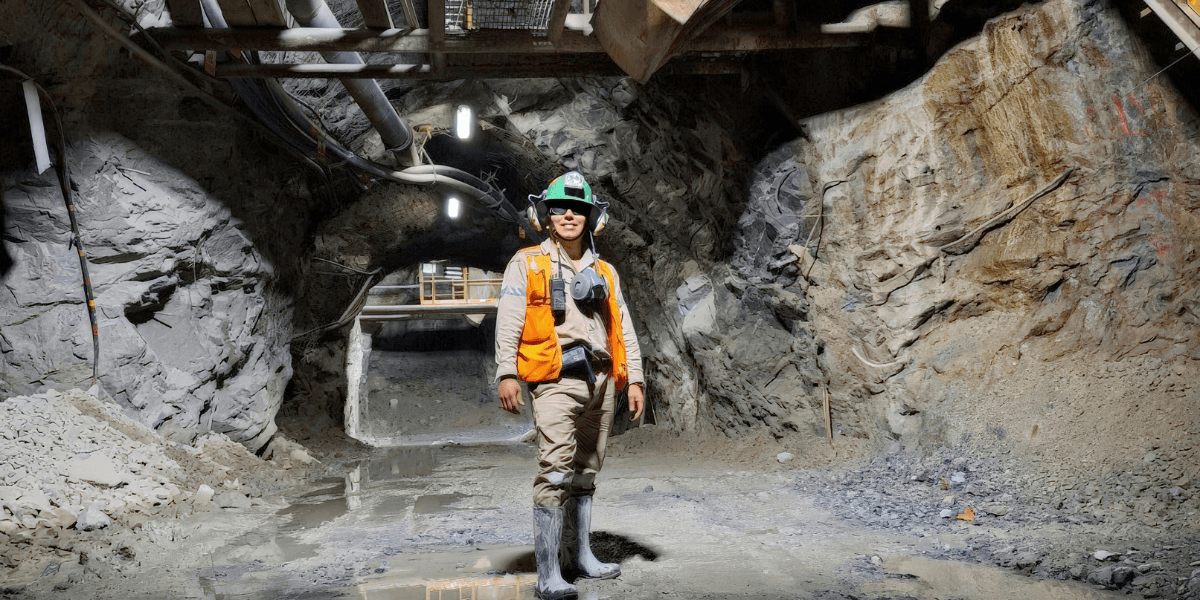
Nevada continues to strengthen its position as one of the nation’s most strategically important states for critical minerals as growing investment in artificial intelligence, advanced manufacturing, and clean energy increases demand for domestically sourced battery materials. Recent developments across the technology sector are reinforcing the state’s long-term role in supplying resources essential to the U.S. economy.
The latest attention comes as technology companies pursue unprecedented investments in artificial intelligence infrastructure. Reports that Nvidia is exploring financing support for a major OpenAI data center initiative underscore the rapid expansion of AI computing, an industry expected to drive additional demand for energy storage systems and advanced battery technologies in the years ahead.
Although AI infrastructure is primarily associated with data centers and semiconductors, it also relies on resilient energy systems capable of supporting large-scale computing operations. That trend is increasing interest in secure domestic supply chains for lithium and other critical minerals used in battery storage, grid modernization, and industrial applications. Nevada, home to some of the country’s largest lithium resources, remains at the center of those discussions.
The state already hosts the nation’s only operating lithium brine production facility at Silver Peak while several additional projects continue advancing through exploration and development. These projects are intended to strengthen domestic production as manufacturers seek to reduce dependence on imported critical minerals and establish more resilient North American supply chains.
Industry observers note that Nevada’s advantages extend beyond geology. The state offers established mining expertise, extensive transportation infrastructure, significant renewable energy resources, and a business environment that has attracted investment from mining companies, battery manufacturers, and technology firms alike. These factors have positioned Nevada as an important contributor to national efforts aimed at expanding domestic production of strategic materials.
The economic implications reach well beyond mining operations themselves. Critical mineral projects support employment opportunities across engineering, construction, environmental consulting, transportation, manufacturing, and professional services. As projects advance from exploration into development, local communities often experience increased demand for housing, infrastructure improvements, and supporting commercial activity.
Nevada’s growing role also aligns with broader federal initiatives promoting domestic critical mineral production. Policymakers continue emphasizing the importance of reducing supply chain vulnerabilities while supporting industries viewed as essential to national economic competitiveness and energy security. Lithium remains one of the key materials receiving sustained attention because of its importance in battery manufacturing and grid-scale energy storage.
Investors likewise continue monitoring Nevada’s mining sector as demand forecasts evolve. While commodity markets remain subject to price fluctuations, long-term expectations for lithium consumption continue to be supported by expanding electric vehicle production, renewable energy deployment, and the rapid growth of AI infrastructure requiring dependable electricity and energy storage solutions.
Environmental stewardship remains an important consideration as new projects move forward. Developers are increasingly incorporating water management strategies, environmental monitoring, and community engagement into project planning while working through state and federal permitting processes. Balancing economic development with responsible resource management continues to be a defining feature of Nevada’s mining industry.
Business leaders also point to opportunities beyond mineral extraction. Battery processing, advanced manufacturing, logistics, equipment maintenance, and research partnerships represent additional areas where Nevada could expand its economic footprint as investment in critical minerals continues.
The events of July 26 illustrate how closely Nevada’s resource economy is connected to broader technological trends shaping the United States. As artificial intelligence accelerates investment in digital infrastructure and electricity demand, the state’s critical minerals industry remains positioned to support both emerging technologies and long-term energy resilience.
With abundant natural resources, an established mining sector, and continued interest from investors and technology companies, Nevada is expected to remain a key player in America’s evolving industrial strategy. For businesses, policymakers, and residents alike, the state’s role in supplying critical minerals continues to represent one of the most significant long-term economic opportunities in the region.

NV Today Contributor
This article features partner, contributor, or branded content from a third party. Members of the NV Today editorial staff were not involved in the creation of this content. All views and opinions are those of the contributor alone.
Related Posts