



Home»News»Hawk Fire Explodes Across Northern Nevada as Evacuations Expand
Hawk Fire Explodes Across Northern Nevada as Evacuations Expand

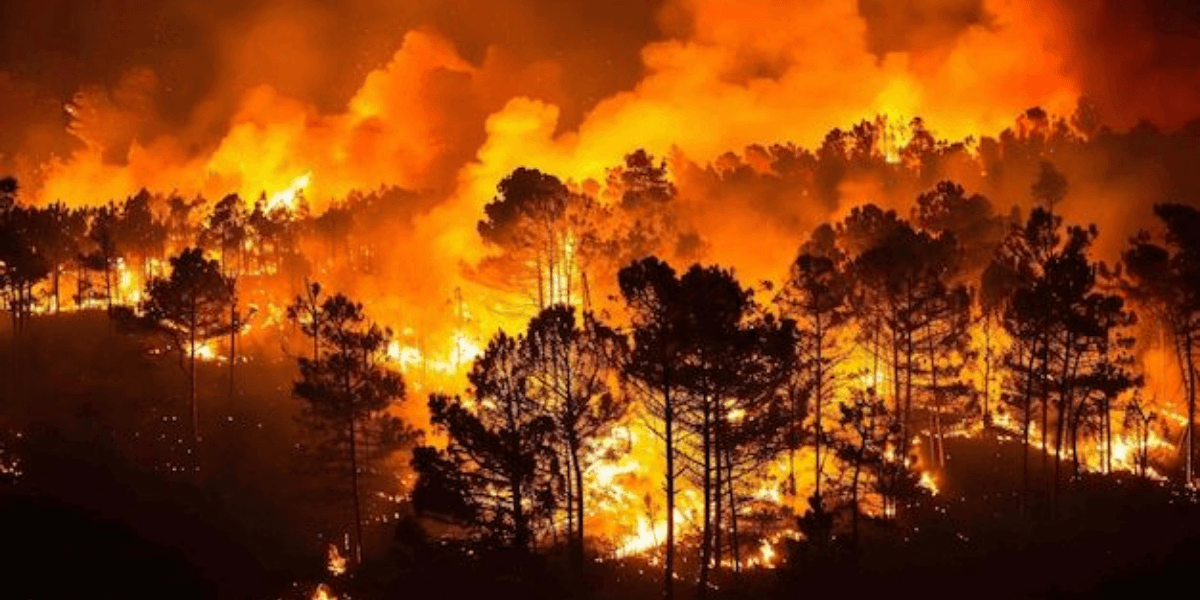
A rapidly spreading wildfire erupted in northern Nevada on Saturday, threatening communities northwest of Reno and forcing thousands of residents to leave their homes as firefighters confronted strong winds and extremely dry vegetation.
The Hawk Fire ignited during a period of dangerous fire weather and expanded rapidly through the foothills north of Reno. Within hours, the blaze had grown to thousands of acres and moved toward populated areas.
The fire's speed created an immediate challenge for emergency officials. Residents in affected communities were instructed to evacuate as flames approached residential neighborhoods, while firefighters worked to prevent the fire from reaching more densely populated areas.
The incident became one of the most significant wildfire emergencies in Nevada during the summer, adding to an already difficult fire season in the region.
Northern Nevada had experienced unusually dry conditions, leaving grasses, brush and other vegetation capable of carrying fire quickly. Strong winds further increased the danger by allowing flames to move rapidly across open terrain.
The combination of dry fuel and shifting winds made the fire particularly difficult to predict. Firefighters could establish containment lines in one area while changing wind conditions created new threats elsewhere.
The Reno region is especially vulnerable because large residential communities extend into areas where developed neighborhoods meet open desert and foothill landscapes.
As the fire advanced, evacuation operations became a major component of the emergency response. Residents had limited time in some areas to gather essential belongings and leave before roads became difficult to use.
Emergency shelters were established for people displaced by the fire, while authorities worked to provide information about evacuation zones and road closures.
The fire also affected infrastructure. Power outages were reported across parts of the region as utility providers responded to the emergency and sought to protect electrical systems from fire damage.
Major transportation routes were also affected, complicating movement through the region and making it more difficult for residents to evacuate.
Fire officials deployed hundreds of personnel to the incident. Crews included firefighters working directly on containment lines as well as personnel supporting evacuation, logistics and emergency coordination.
Aircraft and other firefighting resources were also used where conditions allowed.
The incident demonstrated the difficulty of fighting large wildfires near populated areas. Crews must balance aggressive suppression with the need to protect their own safety when winds and fire behavior change quickly.
The Hawk Fire was also part of a broader period of intense wildfire activity in northern Nevada. Other fires had already placed pressure on regional firefighting resources, meaning agencies were managing multiple incidents simultaneously.
For residents, the rapid development of the Hawk Fire reinforced the importance of evacuation preparedness. Wildfires can change direction quickly, particularly when strong winds push flames through dry vegetation.
Emergency officials typically advise residents in wildfire-prone areas to remain aware of evacuation zones, maintain access to important documents and medications, and follow official evacuation orders.
The fire also raised concerns about property damage. Homes located near open vegetation can be particularly vulnerable when fire spreads rapidly through foothill areas.
Assessing the full extent of damage requires time because firefighters must first make affected areas safe enough for inspection.
The immediate priority remained life safety and containment. Firefighters focused on protecting communities and preventing the fire from reaching additional residential areas.
The incident also illustrated the growing importance of wildfire planning in Nevada. Population growth has brought more homes into areas where natural landscapes can burn, increasing the potential consequences of large fires.
Weather conditions will remain an important factor in the firefighting effort. Lower winds and higher humidity can make suppression easier, while stronger winds and dry air can allow flames to spread rapidly.
For Reno and surrounding communities, the Hawk Fire represented an urgent emergency rather than a routine summer wildfire.
The evacuation orders, power disruptions and rapid acreage growth demonstrated how quickly a fire can affect a major population center.
As crews continued working to establish containment, residents faced the uncertainty of determining when they would be able to safely return home.
The Hawk Fire's rapid expansion made it one of Nevada's most significant wildfire incidents of the summer and highlighted the continuing challenges posed by extreme dryness, strong winds and development near fire-prone landscapes.

NV Today Contributor
This article features partner, contributor, or branded content from a third party. Members of the NV Today editorial staff were not involved in the creation of this content. All views and opinions are those of the contributor alone.
Related Posts