



Home»News»Hawk Fire Reaches 95% Containment as Northern Nevada Moves Toward Reco…
Hawk Fire Reaches 95% Containment as Northern Nevada Moves Toward Recovery

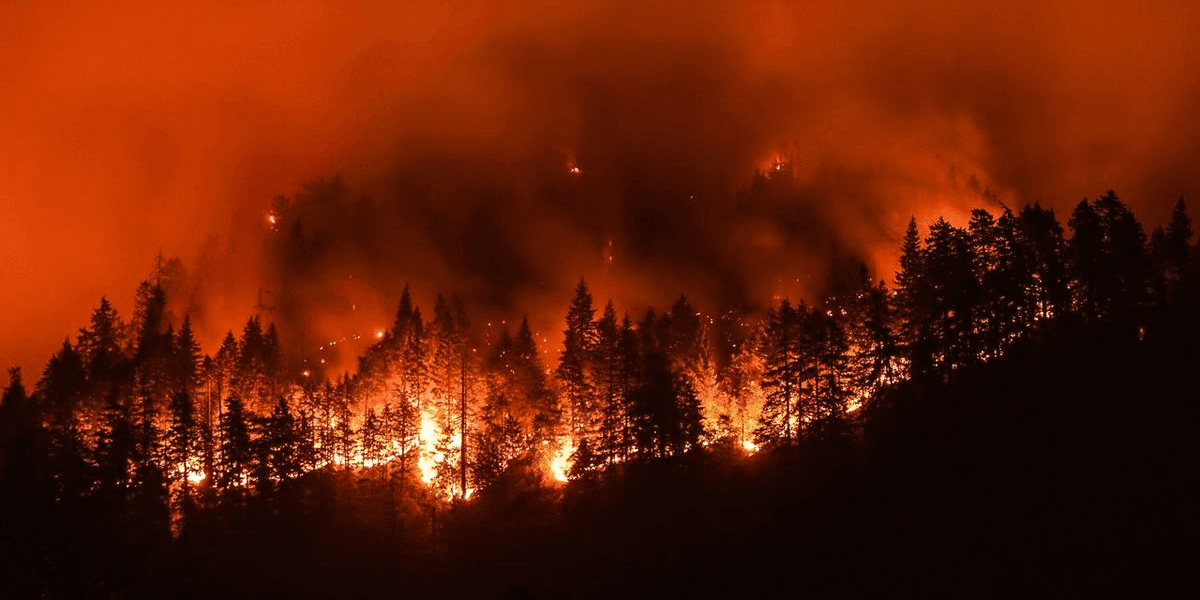
The Hawk Fire northwest of Reno reached 95% containment Friday after burning more than 15,000 acres, marking a major improvement in a wildfire that forced tens of thousands of Northern Nevada residents to evacuate earlier in the week.
Officials reported that the fire remained at approximately 15,085 acres while about 550 personnel continued mop-up, hot-spot removal and repair work around the burned area.
The increasing containment represented an important milestone for Washoe County communities that had faced one of the region's most disruptive wildfire emergencies of the year.
At the fire's peak, evacuation orders and warnings affected tens of thousands of people in and around Reno. Earlier reports indicated that as many as 90,000 residents had been told either to evacuate or prepare to leave as shifting winds pushed flames toward populated areas.
Many residents were later allowed to return as firefighters established containment lines and reduced the immediate threat to neighborhoods.
The fire destroyed 47 homes and one commercial structure, according to a Friday report citing state and local officials. Eight additional commercial structures were reported damaged, while at least seven people, including three first responders, suffered injuries.
No fatalities had been reported.
Fire crews continued working Friday in areas containing heavy vegetation and timber, particularly along the western portion of the burn. On the eastern side, personnel were repairing contingency lines and conducting mop-up operations near containment boundaries.
Officials emphasized that 95% containment did not mean the fire had been completely extinguished.
Containment measures how much of a wildfire's perimeter has been secured to prevent further spread. Interior portions of the burned area may continue smoldering, while heat can remain beneath vegetation or damaged structures after the surrounding perimeter has been established.
Weather conditions were expected to help suppress remaining fire activity, with higher humidity, calmer winds and rain in the forecast.
Those conditions introduced a different concern, however. Officials warned that rainfall over recently burned terrain could create localized flooding or mudslide risks because vegetation that normally stabilizes soil may have been destroyed.
The fire began near the Reno area during a period of hot, dry and windy weather and spread rapidly through grass, brush and timber.
Officials determined that the fire was human-caused, although earlier reports indicated that investigators had not established whether the ignition was accidental or deliberate.
The incident required a large multiagency response.
At one stage more than 900 firefighters were assigned to the blaze, including personnel from numerous states as well as international crews from Australia and New Zealand. Nevada National Guard resources were also deployed after Gov. Joe Lombardo declared a state of emergency.
On Friday, Lombardo formally asked the White House for a presidential emergency declaration related to the fire.
Such a declaration could make additional federal resources available to support state and local response and recovery efforts.
The improving conditions also came just before the annual Burning Man gathering in Nevada's Black Rock Desert.
Approximately 70,000 people were expected to travel through Northern Nevada for the event, prompting organizers to ask attendees to allow additional travel time and remain respectful of communities and emergency workers affected by the wildfire.
The timing placed additional attention on transportation and emergency resources around Reno.
For residents, however, the central issue remained.
Destroyed homes, damaged infrastructure and burned acreage will leave effects long after firefighters achieve complete containment.
Friday's 95% containment figure nevertheless represented a major shift from the emergency conditions earlier in the week.
The immediate danger to populated areas had declined substantially, evacuations had eased and crews were moving increasingly toward repair and cleanup operations.
Northern Nevada now faces the longer process of assessing losses, restoring affected areas and preparing burned terrain for the weather risks that can follow a major wildfire.

NV Today Contributor
This article features partner, contributor, or branded content from a third party. Members of the NV Today editorial staff were not involved in the creation of this content. All views and opinions are those of the contributor alone.
Related Posts