


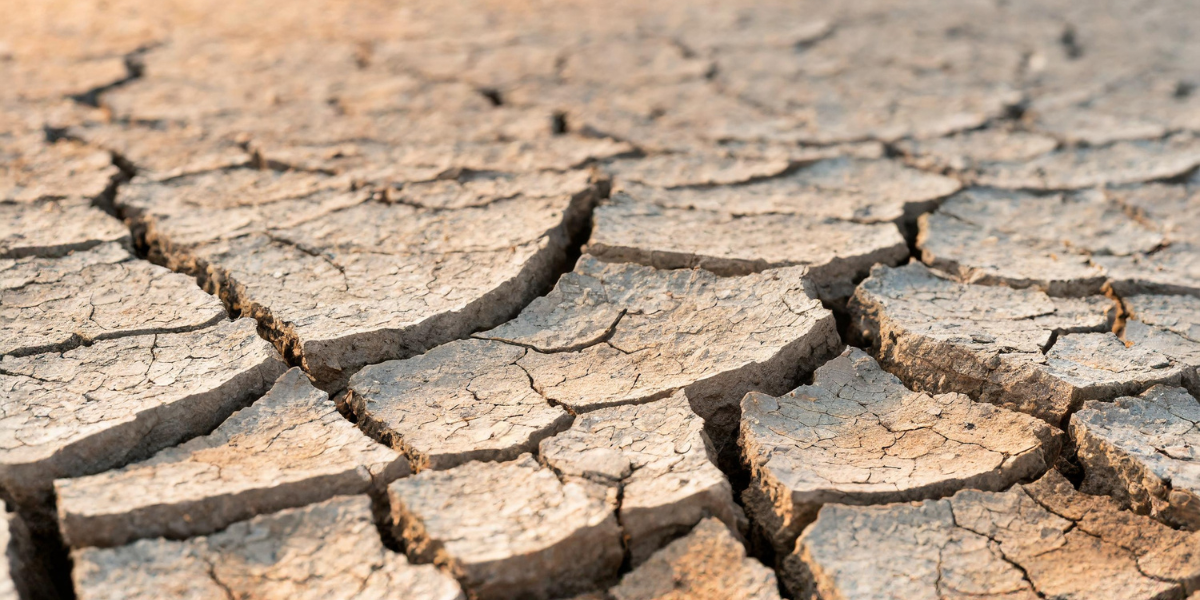
On March 31, 2026, state officials in Nevada announced an expanded set of water conservation measures aimed at addressing persistent drought conditions and ensuring long-term sustainability for residents, businesses, and agricultural operations. The initiative builds on existing conservation programs and reflects growing urgency as water levels across key reservoirs in the western United States remain under pressure.
The announcement comes as water authorities continue to monitor conditions at Lake Mead, the largest reservoir in the country and a critical source of water for Nevada. According to recent data from the U.S. Bureau of Reclamation, water levels at Lake Mead have remained significantly below historical averages, underscoring the need for continued conservation and infrastructure planning.
Key Measures Introduced
The updated conservation strategy includes stricter guidelines on outdoor water use, expanded rebate programs for water-efficient landscaping, and increased funding for infrastructure improvements designed to reduce water loss. Residents are being encouraged to replace grass lawns with drought-tolerant landscaping, a practice already gaining traction in Southern Nevada.
Local agencies, including the Southern Nevada Water Authority, are playing a central role in implementing these measures. The agency has reported that previous conservation efforts have already reduced per capita water use significantly over the past two decades, even as the population has grown.
In addition, the state is investing in advanced water recycling systems. These systems treat and reuse wastewater for non-potable purposes such as irrigation and industrial use, helping to reduce overall demand on freshwater supplies.
Impact on Communities and Businesses
The new measures are expected to have a broad impact across Nevada communities. In urban areas like Las Vegas, where water demand is closely tied to tourism and residential growth, conservation efforts are particularly critical. Hotels, resorts, and entertainment venues are being encouraged to adopt more efficient water management practices, including the use of smart irrigation systems and water-saving fixtures.
For local businesses, especially those in landscaping, construction, and hospitality, the initiative presents both challenges and opportunities. While some may need to adapt to new regulations, others could benefit from increased demand for water-efficient technologies and services.
Agricultural communities in northern Nevada are also affected, with state officials emphasizing the importance of balancing water use between urban and rural needs. Programs aimed at improving irrigation efficiency are being expanded to support farmers in maintaining productivity while conserving water.
Environmental and Long-Term Benefits
Experts note that conservation measures are essential not only for maintaining water supply but also for protecting ecosystems that depend on stable water levels. Reduced consumption can help preserve habitats, improve water quality, and mitigate the effects of prolonged drought.
The initiative aligns with broader regional efforts among states that rely on the Colorado River. Collaborative agreements between states are ongoing, with the goal of ensuring equitable and sustainable water distribution in the years ahead.
Public Response and Participation
Public awareness campaigns are being rolled out to encourage residents to take an active role in conservation. These campaigns highlight simple steps individuals can take, such as fixing leaks, reducing outdoor watering, and using water-efficient appliances.
Community engagement is considered a key factor in the success of the program. Officials emphasize that small changes at the household level can collectively make a significant impact on overall water usage.
Looking Ahead
While Nevada has made notable progress in reducing water consumption, officials caution that continued effort is necessary as climate patterns evolve and demand increases. The state’s proactive approach is intended to position Nevada as a leader in water management and sustainability.
Ongoing monitoring, technological innovation, and cooperation between public and private sectors will be critical in maintaining a reliable water supply. As the situation develops, updates from state agencies and water authorities will provide further guidance to residents and businesses.
For Nevada, the expanded conservation measures represent a strategic response to one of the region’s most pressing challenges. By prioritizing efficiency and sustainability, the state aims to secure its water future while supporting continued growth and community resilience.