
Home»Events»Major Energy Industry Leaders Gather in Las Vegas for EEI Annual Conve…
Major Energy Industry Leaders Gather in Las Vegas for EEI Annual Convention

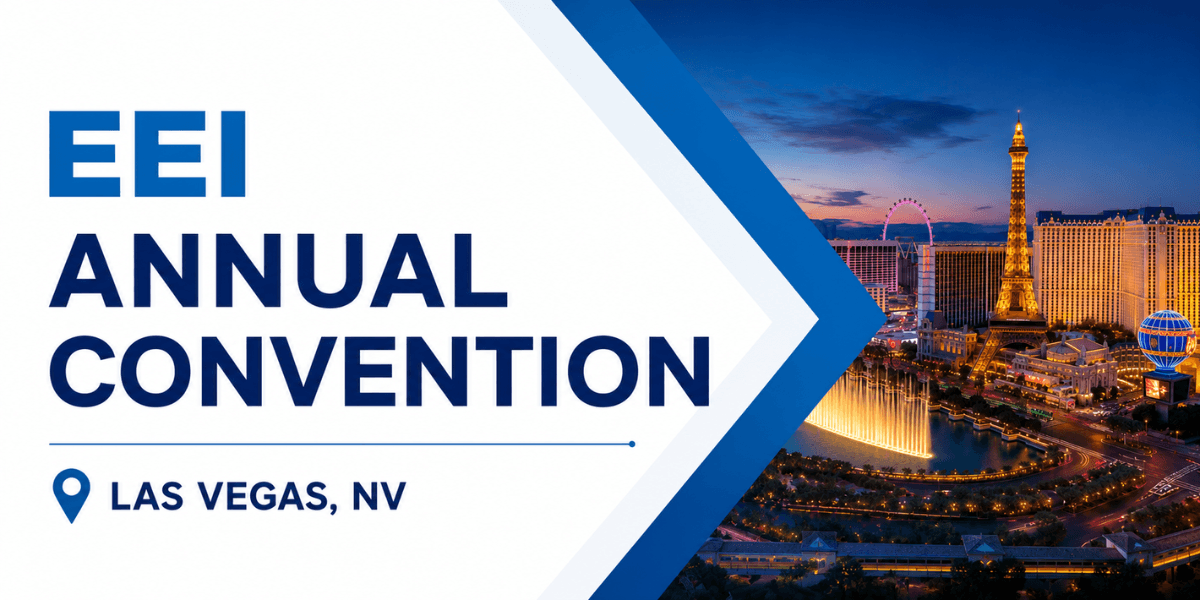
LAS VEGAS — A major national energy industry gathering has brought leading utility executives, policymakers, and technology partners to Las Vegas for the Edison Electric Institute (EEI) Annual Convention, one of the most important recurring events in the U.S. electric power sector.
The convention serves as a central meeting point for investor-owned electric utilities across the United States, offering a forum where senior leaders discuss long-term planning, operational challenges, and strategic priorities. Attendees typically include executives from major power companies, infrastructure developers, financial institutions, and technology providers involved in the energy ecosystem.
The agenda focuses on the evolving demands placed on the U.S. electric grid, which continues to experience increased pressure from population growth, electrification trends, and expanding digital infrastructure. Utilities are working to balance reliability and affordability while also adapting to rapid technological change and shifting energy consumption patterns.
A major theme of the gathering is grid modernization. Utility companies are investing heavily in upgrading transmission and distribution systems to support rising electricity demand and integrate a broader mix of energy sources. This includes improvements in digital monitoring, automation, and predictive maintenance systems that allow for faster detection of outages and more efficient management of energy flows.
Another key focus is the transition toward cleaner energy sources. Utilities are increasingly incorporating renewable generation, energy storage systems, and other low-carbon technologies into their long-term planning. However, industry leaders continue to emphasize the complexity of maintaining reliability while transitioning away from traditional generation sources, especially during periods of peak demand.
Cybersecurity and infrastructure resilience also play a significant role in discussions. As electric systems become more interconnected and dependent on digital technologies, utilities face growing risks from cyber threats and system disruptions. Leaders are exploring strategies to strengthen defenses, improve coordination, and ensure continuity of service in the face of evolving risks.
The convention also highlights the increasing intersection between the energy sector and the technology industry. The rapid growth of data centers, artificial intelligence applications, and cloud computing has created new sources of electricity demand. Utilities are adapting to these shifts by planning for higher baseline consumption and developing infrastructure capable of supporting high-density energy use.
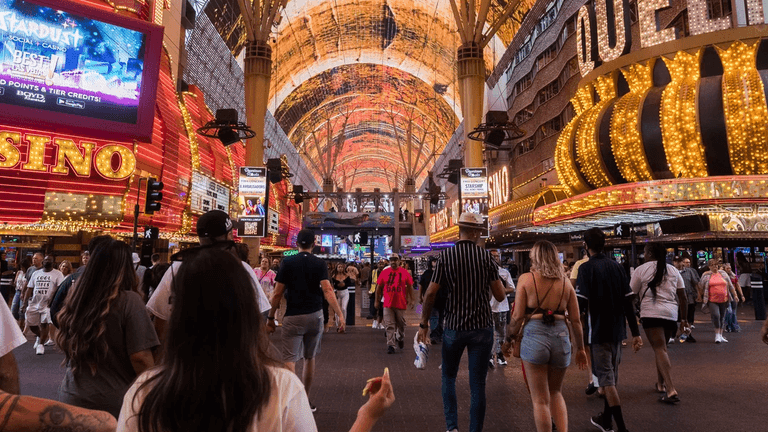
Las Vegas continues to serve as a major hub for large-scale conventions and business events, and hosting the EEI gathering reinforces its position as a national center for industry conferences. The city’s hospitality infrastructure, extensive meeting facilities, and experience with large professional gatherings make it a consistent choice for organizations seeking a centralized location for national meetings.
For Nevada, events like this contribute to the state’s broader economy by driving tourism-related activity. Visitors attending industry conventions typically support hotels, restaurants, transportation services, and entertainment venues, generating economic activity that extends beyond the duration of the event itself. The presence of high-level industry gatherings also helps position the state as a participant in national discussions on infrastructure and energy policy.
Energy sector conferences such as this one are also important networking platforms. They bring together decision-makers who influence billions of dollars in infrastructure investment and long-term utility planning. Relationships formed during these gatherings often lead to partnerships, contracts, and collaborative initiatives that shape the future direction of the energy industry.
Looking ahead, discussions from the convention are expected to inform ongoing planning within the U.S. electric sector. The challenges of rising demand, infrastructure aging, and technological transformation remain central issues for utilities across the country. As a result, the strategies discussed in Las Vegas are likely to influence both regional and national energy planning in the years to come.
The EEI Annual Convention continues to serve as a key venue where the future of electricity in the United States is actively shaped through dialogue, innovation, and collaboration among industry leaders.
Industry observers note that conventions like EEI also play a role in shaping public-private collaboration, as utilities increasingly rely on partnerships with technology firms and infrastructure investors to meet future demand. The conversations held during the event often extend beyond the conference itself, influencing regulatory discussions, investment planning, and innovation pipelines across the sector. As energy systems become more complex and interconnected, the importance of coordinated planning and knowledge-sharing among stakeholders continues to grow, making gatherings of this scale a critical part of the industry’s long-term development.

NV Today Contributor
This article features partner, contributor, or branded content from a third party. Members of the NV Today editorial staff were not involved in the creation of this content. All views and opinions are those of the contributor alone.
Related Posts