


A major federal proposal released on July 31 could reshape water management across the American West, with Nevada among the states expected to reduce its use of Colorado River water under a new long-term framework. The proposal, announced by the U.S. Department of the Interior and the Bureau of Reclamation, outlines how water from the Colorado River would be managed after the current operating guidelines expire, responding to years of persistent drought, declining reservoir levels, and increasing demand across the region.
For Nevada, where the Colorado River serves as the primary water source for Southern Nevada and the Las Vegas metropolitan area, the proposal represents one of the most significant water policy developments in recent years. State officials, water managers, businesses, and residents will be closely watching how the framework evolves before it is finalized.
Proposed Framework Calls for Shared Reductions
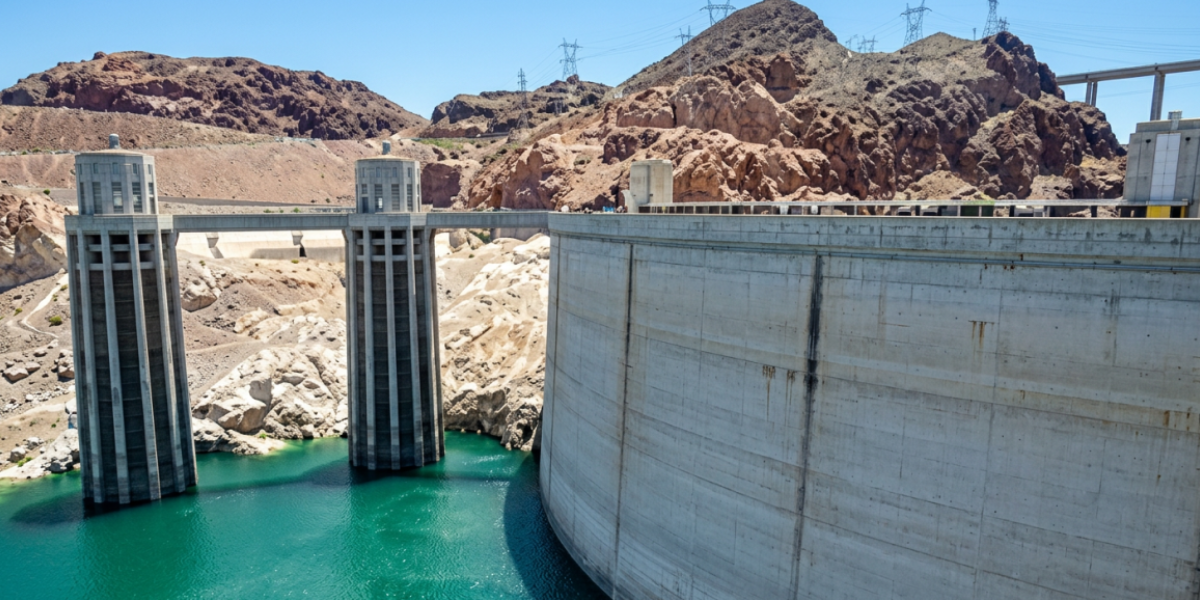
Under the preferred federal alternative, Nevada, Arizona, and California would collectively reduce their use of Colorado River water during periods of drought. The proposal is designed to help stabilize water levels at Lake Mead and Lake Powell, two reservoirs that have experienced historically low levels following years of below-average runoff and increasing water demand.
Federal officials described the framework as a flexible approach that can adapt to changing hydrological conditions while allowing the basin states to continue working toward long-term collaborative solutions.
The proposal follows years of negotiations among the seven Colorado River Basin states, tribal governments, water agencies, and federal officials regarding how limited water supplies should be shared in the future.
Why the Colorado River Matters to Nevada
The Colorado River supplies approximately 90 percent of Southern Nevada’s drinking water, making it an essential resource for residents, businesses, tourism, and economic development.
Although Nevada receives the smallest allocation among the Lower Basin states, its growing population and reliance on Lake Mead make long-term water planning a critical priority. Southern Nevada has invested extensively in conservation measures over the past two decades, including water recycling, turf removal programs, and efficient water management practices that have significantly reduced per-capita water consumption.
These conservation efforts have positioned Nevada as one of the nation’s leading examples of urban water efficiency, even as regional water supplies remain under pressure.
Long-Term Planning Remains the Focus
The proposed framework is intended to guide river operations for years beyond the expiration of the current management guidelines.
Water experts note that planning for the Colorado River has become increasingly important as climate variability, prolonged drought, and continued population growth place additional demands on one of the nation’s most important river systems.
The proposal seeks to create greater flexibility by allowing reservoir operations to respond to changing conditions rather than relying solely on fixed allocation rules developed under different hydrological circumstances.
Federal officials emphasized that continued cooperation among basin states remains essential for achieving durable long-term solutions.
Potential Effects on Communities and Businesses
Although the proposal primarily addresses water management at the regional level, its long-term effects could influence municipalities, agriculture, energy production, recreation, and commercial development throughout the Southwest.
For Nevada, maintaining reliable water supplies remains essential to supporting economic growth, residential development, hospitality, and tourism industries that depend on stable infrastructure.
State and local water agencies are expected to continue evaluating the proposal while participating in ongoing discussions regarding implementation and future operating agreements.
Looking Ahead
The federal proposal marks another important milestone in the ongoing effort to secure the future of the Colorado River system. Public review and continued collaboration among federal agencies, basin states, tribal governments, and water authorities are expected before long-term operating rules are finalized.
For Nevada, the announcement reinforces the importance of conservation, infrastructure investment, and regional cooperation as communities continue adapting to changing water conditions. While negotiations remain ongoing, the July 31 proposal underscores how long-term planning and responsible resource management will continue shaping the future of one of the West’s most vital natural resources.