
Home»Culture»Las Vegas Schools Expand Mariachi Education as Demand for Student Musi…
Las Vegas Schools Expand Mariachi Education as Demand for Student Musicians Grows

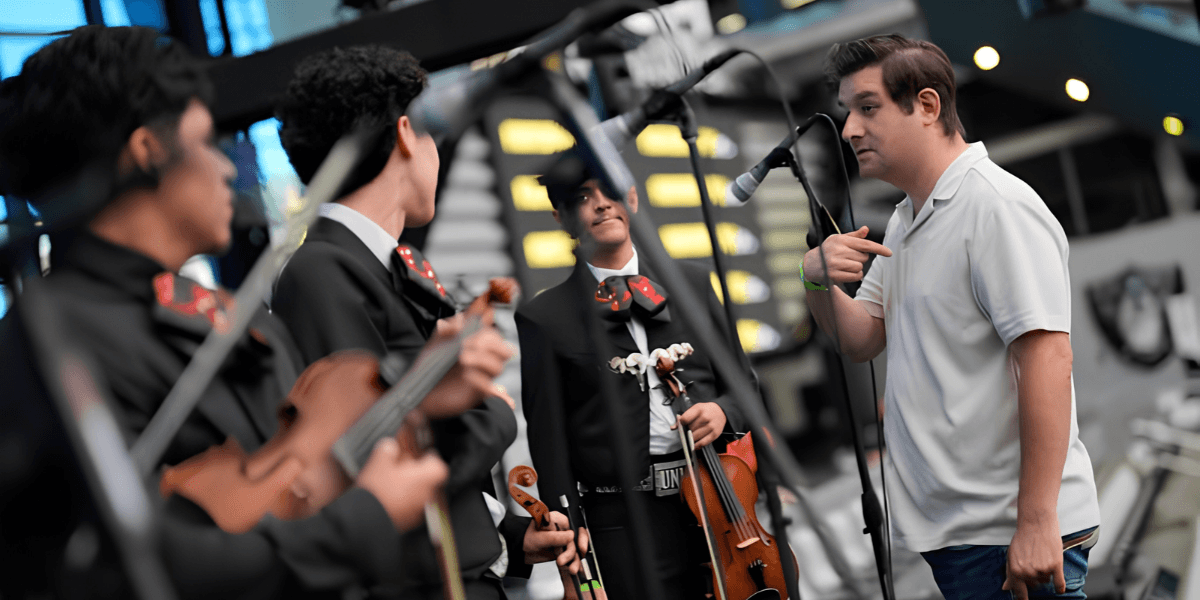
Las Vegas schools expand mariachi programs, but growing student interest is creating demand for more qualified music teachers.
A Growing Presence in Nevada Schools
An Associated Press report published on October 8 examined the growth of mariachi education in Las Vegas, where schools are working to meet demand for programs that teach students traditional Mexican music.
The development reflects the importance of mariachi in a city where Latino residents make up a substantial share of the population. School programs give students opportunities to learn instrumental performance, ensemble coordination and musical traditions that have been passed between generations.
The report described a challenge facing some schools: interest in mariachi instruction has grown to the point that finding enough qualified teachers has become difficult.
Mariachi ensembles typically combine instruments such as violins, trumpets, guitars and the guitarrón, a large bass instrument. Students must learn individual techniques while also developing the timing and listening skills needed to perform as a group.
The programs therefore involve more than learning songs. They require sustained instruction, rehearsals and access to instruments.
Cultural Education and Student Participation
School music programs can provide students with opportunities to participate in structured artistic activities while learning about cultural traditions. Mariachi instruction connects musical practice with a genre that has deep roots in Mexican culture.
For students who already recognize the music through family or community experiences, school programs can offer a formal route to developing their skills. Other students encounter the tradition through classroom instruction and ensemble performances.
The combination can help build musical understanding across different backgrounds. Students learn to listen to one another, maintain rhythm, interpret musical arrangements and contribute to a shared performance.
Ensemble participation also requires discipline. Musicians must attend rehearsals, practice independently and coordinate their parts with other performers. Those demands make consistent instruction an important part of maintaining a successful school program.
The Challenge of Finding Teachers
As interest grows, schools need instructors who understand both the musical requirements and the educational setting. Mariachi educators may need proficiency across the genre's instruments, familiarity with traditional repertoire and the ability to teach students at different skill levels.
The supply of qualified instructors does not necessarily expand as quickly as student interest. Schools may need to develop teacher-training opportunities, collaborate with local musicians or work with community organizations to support programs.
The challenge is particularly relevant when ensembles rely on specialized instruments and musical techniques that may not be covered extensively in conventional school music training.
Recruitment and retention can also depend on funding, scheduling, access to instruments and the availability of rehearsal spaces. A school may have enthusiastic students but still need resources to sustain a program over time.
The Importance of Community Partnerships
Local musicians, cultural organizations and educational institutions can help schools develop stronger music programs. Partnerships may provide guest instruction, performance opportunities, instrument access or professional development for teachers.
Such collaboration can also connect students with musicians who perform outside the classroom. Students gain exposure to the broader musical community and a clearer understanding of how traditional music continues to evolve.
Community support cannot replace the need for qualified teachers, but it can supplement classroom instruction and help build a wider network around student musicians.
For families, school performances can create opportunities to engage with the arts and celebrate cultural traditions. Public performances also allow students to share their progress with audiences beyond the classroom.
Why Mariachi Matters to Nevada
Nevada's cultural life reflects communities with diverse histories, languages and artistic traditions. School music programs can provide a structured way to recognize those traditions while giving students access to arts education.
Mariachi's ensemble format makes collaboration central to the learning experience. Students must understand their own musical parts while remaining attentive to the larger performance.
The genre also illustrates how cultural traditions can remain active through education, practice and public performance rather than existing only as historical subjects.
In Las Vegas, the growing demand for instruction points to an opportunity for schools and community organizations to strengthen the connection between cultural education and music training.
Building a Sustainable Future for School Music
The reported shortage of mariachi teachers highlights a practical issue facing expanding arts programs: interest from students must be matched by qualified instruction and appropriate resources.
Schools that want to maintain these programs need to consider teacher recruitment, training, instruments, rehearsal time and performance opportunities together. Addressing only one of those needs may not be enough to sustain a growing ensemble.
The development also demonstrates the importance of local cultural education within a broader educational system. Music programs can help students build artistic skills while learning traditions that are meaningful to their families and communities.
For Las Vegas, the continuing growth of mariachi education presents both an opportunity and a challenge. Meeting the demand for qualified teachers will be essential to ensuring that interested students can participate and that the tradition continues to be taught through schools and community performances.

NV Today Contributor
This article features partner, contributor, or branded content from a third party. Members of the NV Today editorial staff were not involved in the creation of this content. All views and opinions are those of the contributor alone.
Related Posts