


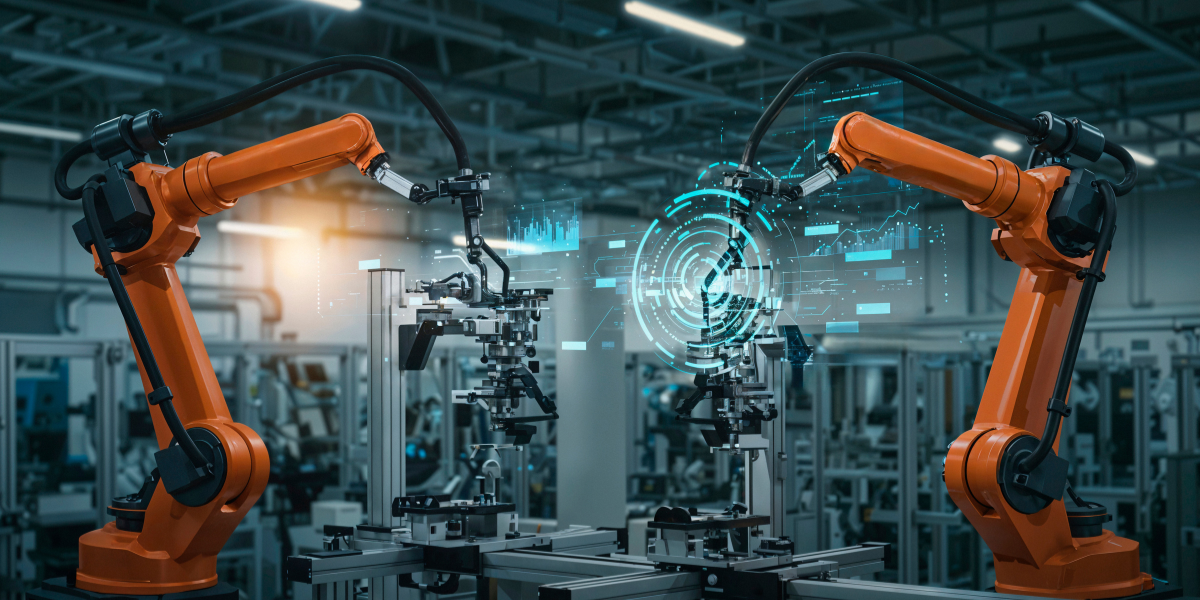
The expansion of artificial intelligence (AI) and advanced technology industries continues to reshape the economic landscape of the United States, driving innovation, investment, and job creation across multiple sectors. As companies increasingly integrate AI into their operations, states like Nevada are emerging as strategic hubs for growth, offering a combination of favorable business conditions, infrastructure development, and workforce potential.
Across the country, AI adoption is accelerating in industries such as healthcare, logistics, finance, and manufacturing. Businesses are leveraging machine learning, automation, and data analytics to improve efficiency, reduce costs, and enhance decision-making processes. This surge in demand has prompted significant investments in digital infrastructure, particularly in data centers and cloud computing systems that support AI applications.
Nevada is benefiting directly from this nationwide trend. The state’s business-friendly environment, including competitive tax policies and streamlined regulatory processes, has attracted a growing number of technology firms. Its proximity to major technology markets on the West Coast further strengthens its appeal, allowing companies to expand operations while maintaining access to established industry networks.
One of the most notable developments in Nevada’s technology sector is the rise of data center infrastructure. AI systems require substantial computing power and storage capacity, and companies are investing in facilities capable of managing large-scale data processing. Nevada’s relatively low energy costs and increasing use of renewable energy sources make it an attractive location for these energy-intensive operations. As a result, data center development is becoming a key component of the state’s economic diversification.
Northern Nevada, in particular, has seen a surge in technology-related investments. Advanced manufacturing facilities, logistics hubs, and tech campuses are contributing to regional economic growth while creating new employment opportunities. These developments are helping to shift Nevada’s economic profile beyond its traditional reliance on tourism and hospitality.
Workforce development is playing a crucial role in supporting this transition. As demand for AI-related skills continues to rise, educational institutions and training programs are adapting to meet industry needs. Programs focused on data science, cybersecurity, and software engineering are equipping students and workers with the expertise required for high-demand roles. This alignment between education and industry is essential for sustaining long-term growth and ensuring that local talent can participate in the expanding technology sector.
Employment trends reflect the growing importance of AI and technology. Jobs in areas such as data analysis, cloud computing, and software development are among the fastest-growing occupations in the country. In Nevada, these roles are contributing to a more diversified labor market, offering alternatives to traditional service-based employment. Higher wages and career advancement opportunities in the tech sector are also attracting professionals from other states, further strengthening the local workforce.
Private sector investment continues to drive innovation in AI technologies. Companies are exploring applications ranging from autonomous systems to predictive analytics, with potential impacts across multiple industries. In Nevada, large-scale facilities focused on advanced manufacturing and energy technology are also contributing to the broader AI ecosystem, supporting research, development, and production capabilities.
Small and medium-sized businesses are also beginning to benefit from AI adoption. Accessible tools and platforms are enabling companies to automate routine tasks, analyze customer data, and improve operational efficiency. This democratization of technology allows smaller enterprises to compete more effectively in an increasingly digital marketplace.
Despite these positive developments, challenges remain. The rapid expansion of AI infrastructure places increased demands on energy resources and requires ongoing investment in power generation and grid stability. Additionally, the need for a highly skilled workforce means that education and training systems must continue evolving to keep pace with technological advancements. Ensuring equitable access to these opportunities is also an important consideration for policymakers and community leaders.
Looking ahead, the continued growth of AI and technology industries is expected to play a significant role in shaping the future of Nevada’s economy. By attracting investment, fostering innovation, and supporting workforce development, the state is positioning itself as a competitive player in the national technology landscape.
For businesses, workers, and residents, the rise of AI presents both opportunities and responsibilities. Staying informed about technological trends and investing in relevant skills will be key to navigating this evolving environment. As AI becomes more integrated into everyday operations, its impact will extend beyond the tech sector, influencing how industries operate and how communities grow.
Overall, the expansion of AI and technology industries represents a transformative shift with long-term implications. Nevada’s ability to adapt and capitalize on this momentum highlights its potential to become a leading center for innovation and economic development in the years ahead.