


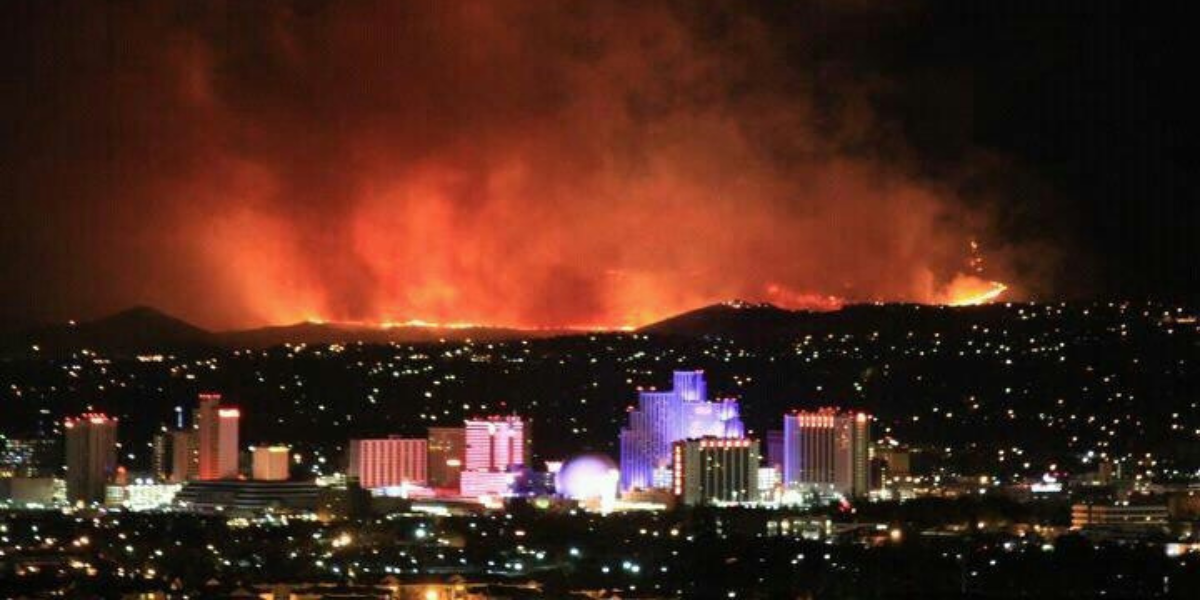
Residents affected by wildfires north of Reno began receiving information about damaged and destroyed homes as emergency officials moved into the next stage of assessing the impact of fires burning across the region.
The Bug Fire, which was burning across parts of Washoe County near the Nevada-California border, had damaged or destroyed residential structures and created a difficult situation for communities north of Reno.
Local officials said damage assessment teams were beginning the process of determining which homes had been affected, giving residents a clearer picture of the destruction caused by the fires.
Fire Damage Assessment Begins
Damage assessment is an important step after a major wildfire because emergency officials need reliable information about destroyed and damaged structures before communities can fully evaluate recovery needs.
Officials with the Truckee Meadows Fire Protection District said residents whose homes had been damaged or destroyed would begin receiving notifications.
The process can be complicated because fire crews and emergency personnel must first determine which areas are safe to enter. Once conditions allow, officials can document structures and compare those observations with property records.
For residents, confirmation of damage can be an emotionally difficult but important step in understanding what happened to their homes.
The Bug Fire and Regional Threat
The Bug Fire was burning near the Nevada-California border and had merged with the Fred Mountain Fire.
The fires affected an area northwest of Reno and created concerns for communities in the region as firefighters worked to contain the spread.
Wildfires in northern Nevada can move rapidly when dry vegetation, high temperatures and wind combine. The region’s landscape can also make firefighting difficult, particularly when fires spread across large areas with limited access.
The situation demonstrated the continuing wildfire risk facing communities throughout the Great Basin and the western United States.
Homes Become a Central Concern
While wildfire response initially focuses on protecting lives and stopping the spread of flames, residential damage becomes a major concern once the immediate emergency begins to stabilize.
Homes can be damaged in different ways, ranging from smoke and heat exposure to partial structural destruction or complete loss.
For affected residents, the consequences extend well beyond the physical property.
A destroyed home can mean the loss of personal belongings, documents and other possessions accumulated over many years. Families may also need temporary housing while officials determine whether damaged properties can be safely occupied.
Recovery Begins Before the Fire Is Fully Forgotten
The beginning of damage assessments does not mean the broader recovery process is complete.
Communities affected by wildfires typically face multiple stages of recovery, including emergency shelter, debris removal, insurance claims, infrastructure repairs and rebuilding.
The process can take considerable time, particularly when large numbers of properties are involved.
Local officials therefore need accurate information about the scale of damage to determine where resources are required most urgently.
A Continuing Nevada Challenge
Wildfire has become a recurring concern across Nevada, particularly as prolonged dry conditions can leave vegetation highly vulnerable to ignition.
Northern Nevada’s proximity to forested and rangeland areas creates additional exposure for communities located near undeveloped land.
The growth of communities into areas adjacent to natural landscapes can also increase the number of homes potentially exposed to wildfire.
That makes preparedness and emergency planning important parts of local resilience.
What Residents Need From Officials
For residents affected by the fires, reliable information becomes especially important once the immediate threat begins to decline.
Official confirmation of property damage can help families determine their next steps, including whether they need temporary accommodation and what assistance may be available.
Local authorities also need accurate assessments to plan recovery operations and communicate with residents.
The events north of Reno illustrate how the consequences of a wildfire continue after the flames have moved away. Damage assessments, resident notifications and recovery planning become essential parts of the response.
The fires therefore represent not only an emergency affecting firefighters and evacuation areas but also a significant community event with long-term consequences for homeowners and neighborhoods.
As officials continue documenting the damage, the scale of the recovery effort will become clearer. For affected communities, that assessment marks an important transition from immediate wildfire response toward the difficult process of rebuilding homes and restoring normal life.