


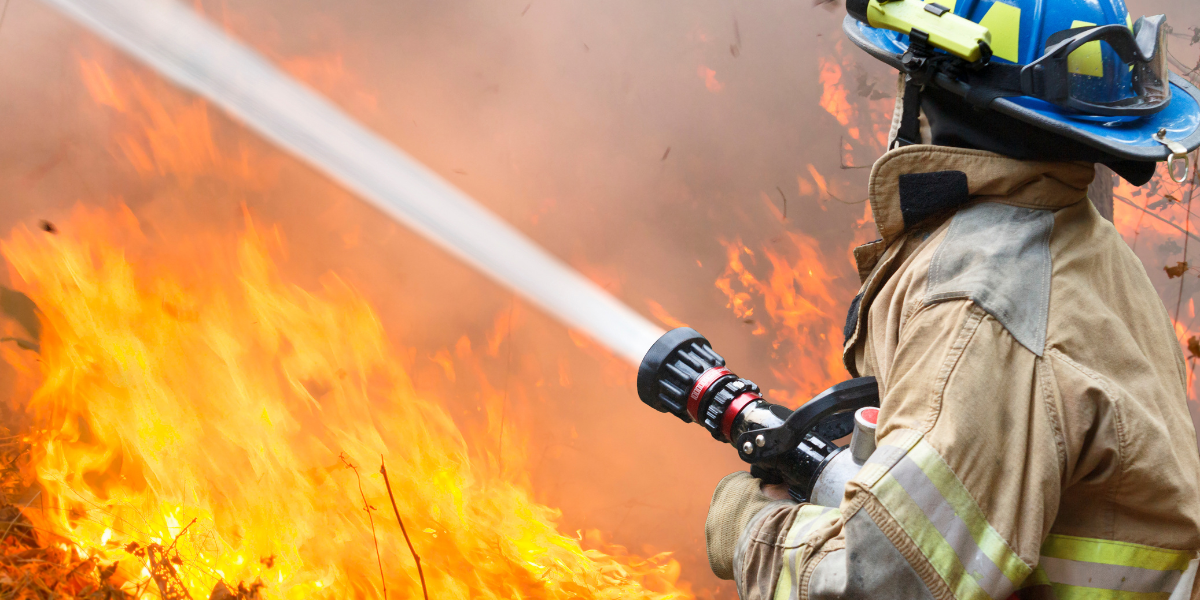
Firefighters continued strengthening containment lines around the Bug and Stallion fires north of Reno as conditions improved enough for more residents to return to affected communities.
The fires had forced evacuations and threatened homes in the North Valleys area, creating one of the most significant wildfire emergencies to affect the Reno region during the summer.
By this stage of the response, attention was beginning to shift from immediate evacuation toward containment, infrastructure restoration and the assessment of damage.
Firefighters Continue Containment Efforts
Crews remained focused on preventing the fires from spreading while reinforcing existing fire lines.
Wildfires can remain dangerous even after visible flames decrease because hot spots and burning vegetation can reignite when weather conditions change.
Firefighters therefore continued monitoring the perimeter and responding to areas where the fire remained active.
Containment is an important measure during a wildfire because it indicates the percentage of the fire’s perimeter surrounded by control lines intended to prevent further spread.
Residents Begin Returning
As conditions improved in some areas, evacuation restrictions were reduced and more residents were allowed to return home.
Returning residents faced a different set of concerns from those present during the initial emergency.
People coming back to evacuated communities must determine whether homes are safe, whether utilities are functioning and whether roads and other infrastructure have been restored.
The return process can therefore continue for some time even after firefighters gain greater control over the fire.
Power Restoration Becomes Important
Electrical infrastructure was also part of the recovery process.
Power outages can occur during wildfires when utilities shut down lines for safety or when infrastructure is damaged.
Restoring electricity is essential for residents returning home because it affects refrigeration, air conditioning, communications and other basic needs.
Utility crews therefore worked alongside emergency responders as the situation stabilized.
Wildfire Risk in Northern Nevada
The fires also highlighted the persistent wildfire risk facing northern Nevada.
The region combines dry vegetation, high summer temperatures and periods of strong winds that can contribute to rapid fire growth.
Communities near open land are particularly vulnerable because homes and natural vegetation can exist close together.
That relationship makes evacuation planning and emergency communication important parts of local wildfire preparedness.
Evacuation Is Only the First Stage
For residents forced from their homes, evacuation represents only the beginning of the disruption.
Families may need temporary accommodation, transportation and access to essential belongings.
Businesses can also be affected when employees cannot return to work or roads are closed.
Once evacuation orders are lifted, residents face the practical process of returning to normal life.
That may involve checking property for damage, cleaning ash and smoke residue and determining whether insurance or other assistance is needed.
Community Recovery Takes Time
Wildfire recovery can extend well beyond the period when firefighters declare a fire contained.
Damaged homes may require extensive repairs, while destroyed structures can require complete rebuilding.
Roads, utility infrastructure and public facilities may also need inspection or repair.
Local governments and emergency organizations therefore continue working after the immediate threat has declined.
A Significant Event for the Reno Region
The Bug and Stallion fires demonstrated how quickly wildfire can affect communities around Reno.
The initial priority was protecting residents and controlling the flames. As containment improved, the focus increasingly turned toward helping residents return safely and restoring essential services.
For the communities affected, the ability to return home represented an important step forward, although it did not mark the end of the recovery process.
The fires also provided another reminder of the importance of wildfire preparedness in northern Nevada.
Residents living near open land must remain prepared for rapidly changing conditions during periods of elevated fire danger.
The latest developments offered cautious progress: firefighters were strengthening control lines, more residents were returning and infrastructure recovery was underway.
For Reno-area communities, those developments marked a transition from immediate emergency response toward the longer process of restoring homes, services and normal routines.